Introduction
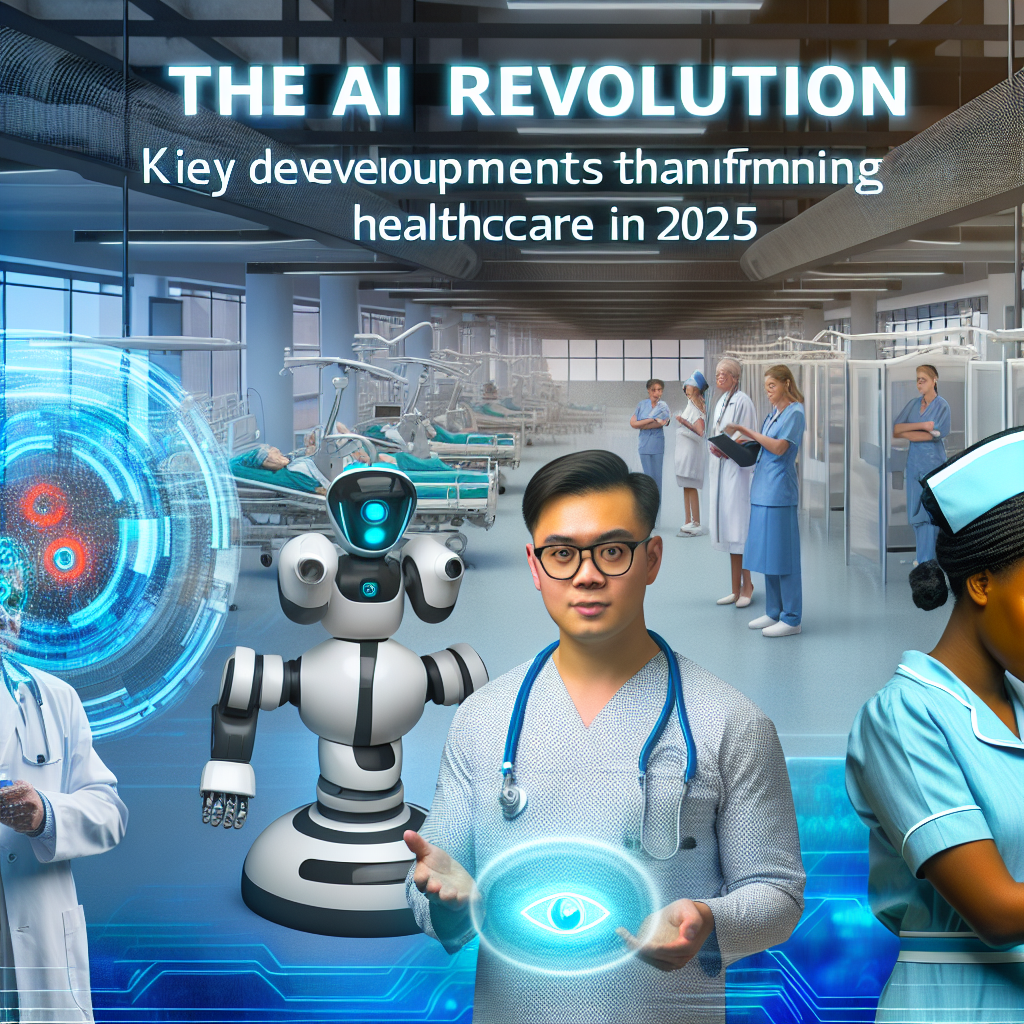
The healthcare landscape has witnessed unprecedented transformations fueled by artificial intelligence (AI). As we step into 2025, the integration of AI technologies is reshaping patient care, clinical practices, and the overall functioning of healthcare systems. This article explores key developments that are defining the AI revolution in healthcare.
1. Predictive Analytics in Patient Care
Predictive analytics harnesses the power of AI to analyze vast datasets, helping healthcare professionals anticipate patient outcomes. In 2025, hospitals and clinics are utilizing AI-driven tools to:
- Identify patients at risk of developing chronic conditions.
- Forecast hospital readmissions.
- Personalize treatment plans based on patient history and genetics.
2. Enhanced Diagnostic Accuracy
AI algorithms are increasingly being used to enhance diagnostic accuracy, particularly in radiology and pathology. By 2025, AI systems analyze medical images with remarkable precision, allowing for:
- Early detection of diseases like cancer.
- Reduction of diagnostic errors.
- Real-time analysis leading to faster treatment decisions.
3. Virtual Health Assistants
Virtual health assistants powered by AI are becoming an integral part of patient interaction. In 2025, these tools allow for:
- 24/7 patient support.
- Symptom checking and first-line diagnostics.
- Medication reminders and follow-up care instructions.
4. Streamlined Administrative Processes
AI is streamlining administrative processes in healthcare systems, resulting in reduced operational costs and improved efficiency. Key advancements include:
- Automated billing and coding systems.
- Efficient scheduling systems utilizing AI algorithms to optimize appointment slots.
- Enhanced data management systems for seamless information access.
5. AI in Drug Discovery
The drug discovery process is being revolutionized by AI technologies, which speed up the identification of potential drug candidates. In 2025, pharmaceutical companies are leveraging AI to:
- Analyze biological data for faster insights into drug interaction.
- Reduce the time required for clinical trials through AI modeling.
- Accelerate the journey from laboratory to market.
Conclusion
As we look ahead to 2025, the developments in AI are set to redefine the healthcare industry, improving patient outcomes and enhancing operational efficiencies. While challenges remain, the potential of AI to create a more effective healthcare system is immense, and its continued evolution will mark a significant chapter in the future of medicine.
Leave a Reply