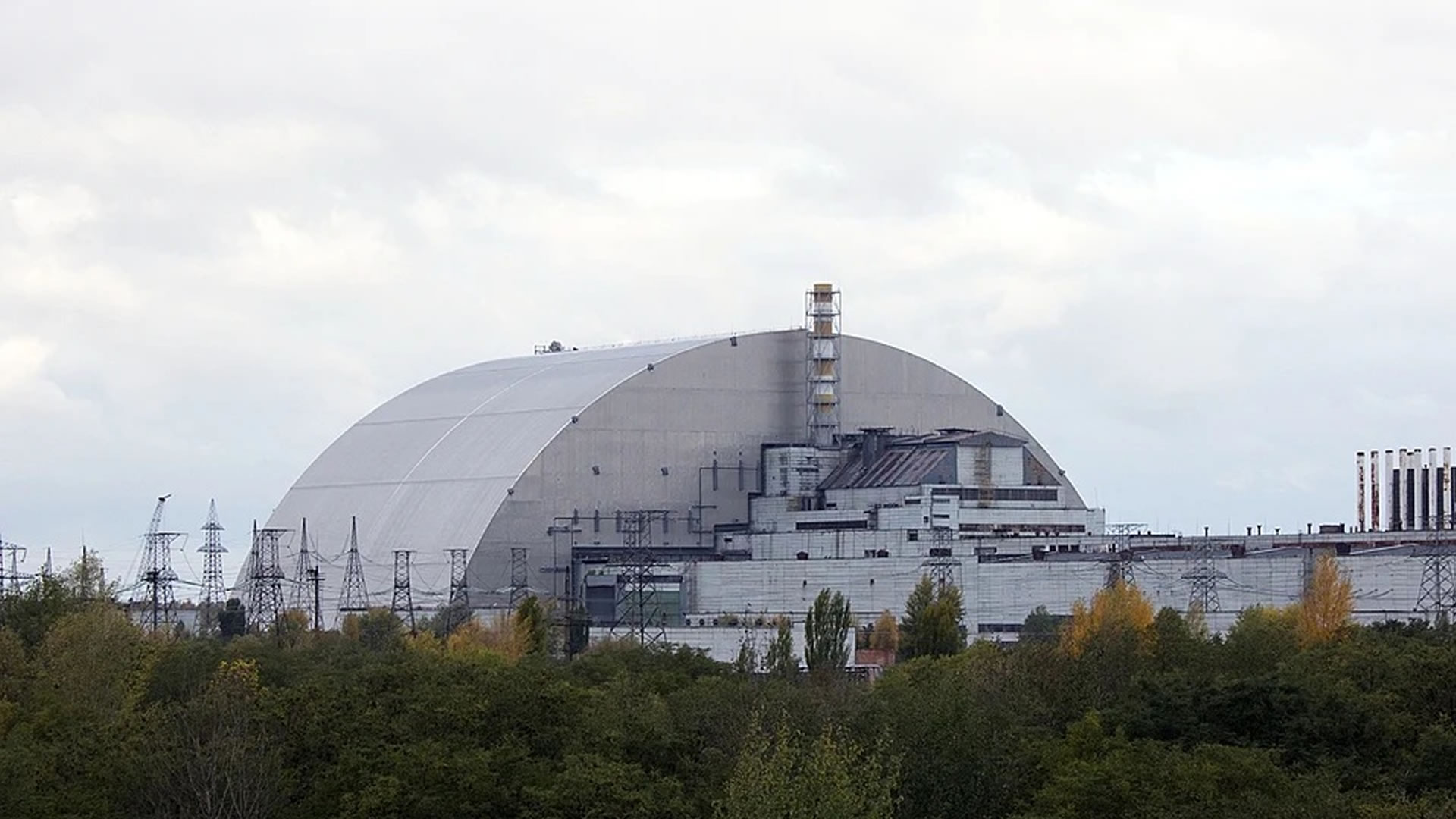
Chernobyl’s New Safe Confinement (NSC) facility may have been compromised after a drone strike in February 2025, according to reports. The strike was likely an accident, but the drone carried a high-explosive warhead, creating a hole in the structure, starting a fire, and damaging the protective cladding.
Since then, the International Atomic Energy Agency (IAEA) has warned that this incident could have compromised the NSCs’ ability to shield against radiation leaks and that they are in dire need of repair.
“Limited temporary repairs have been carried out on the roof, but timely and comprehensive restoration remains essential to prevent further degradation and ensure long-term nuclear safety,” IAEA Director General Rafael Mariano Grossi has said.
At the time of the attack, Ukraine accused Russia of being the culprit, but Russia, for its part, has denied any such claims. Following the incident, there have reportedly been no increases in local radiation levels, and no release has yet been detected.
IAEA blows the whistle on damaged NSC
The NSC was originally built between 2016 and 2019 and cost around €1.5 billion ($1.75 billion) to complete. It was originally designed to stand for at least 100 years, and is widely considered the largest movable land structure in the world.
It is important to note that the shell of the NSC wasn’t “blown open” by the drone strike, but it has likely weakened its ability to contain radiation over the site. This means the building can no longer guarantee a perfect seal.
At the time of construction, the NSC was designed to stop dust and radioactive particles escaping, prevent water ingress, and maintain a stable environment for dismantling the reactor remains.
It is also intended to contain contamination during future removal work. Any damage to its outer surface and cladding likely means it is no longer airtight in the way it was designed.
Damage of this kind will also have compromised its weatherproofing, meaning moisture may now enter. Over time, any damage of this kind could accelerate corrosion inside the structure, further weakening it.
The IAEA has emphasized that the building is at no risk of collapse, with its load-bearing elements intact, and monitoring systems remain functional. This is significant because the NSC is a massive arch requiring structural integrity to stay stable under wind and snow loads.
Repairs are needed urgently
Another important thing to note is that the NSC sits over the older, now redundant 1986 “sarcophagus.” This means Chernobyl’s contaminated reactor building remains buried within multiple layers.
The NSC is primarily for long-term stability and safe dismantling, not instant radiation containment from fresh fuel. That said, the IAEA is now planning to conduct temporary repairs in 2026.
They are also planning a major renovation phase later to restore full confinement capability. The long “delays” to this kind of work are due to nuclear safety work requiring careful and meticulous planning.
The ongoing war between Ukraine and Russia is also further complicating things, and funding and coordination internationally are also a slow process.
Leave a Reply