Introduction
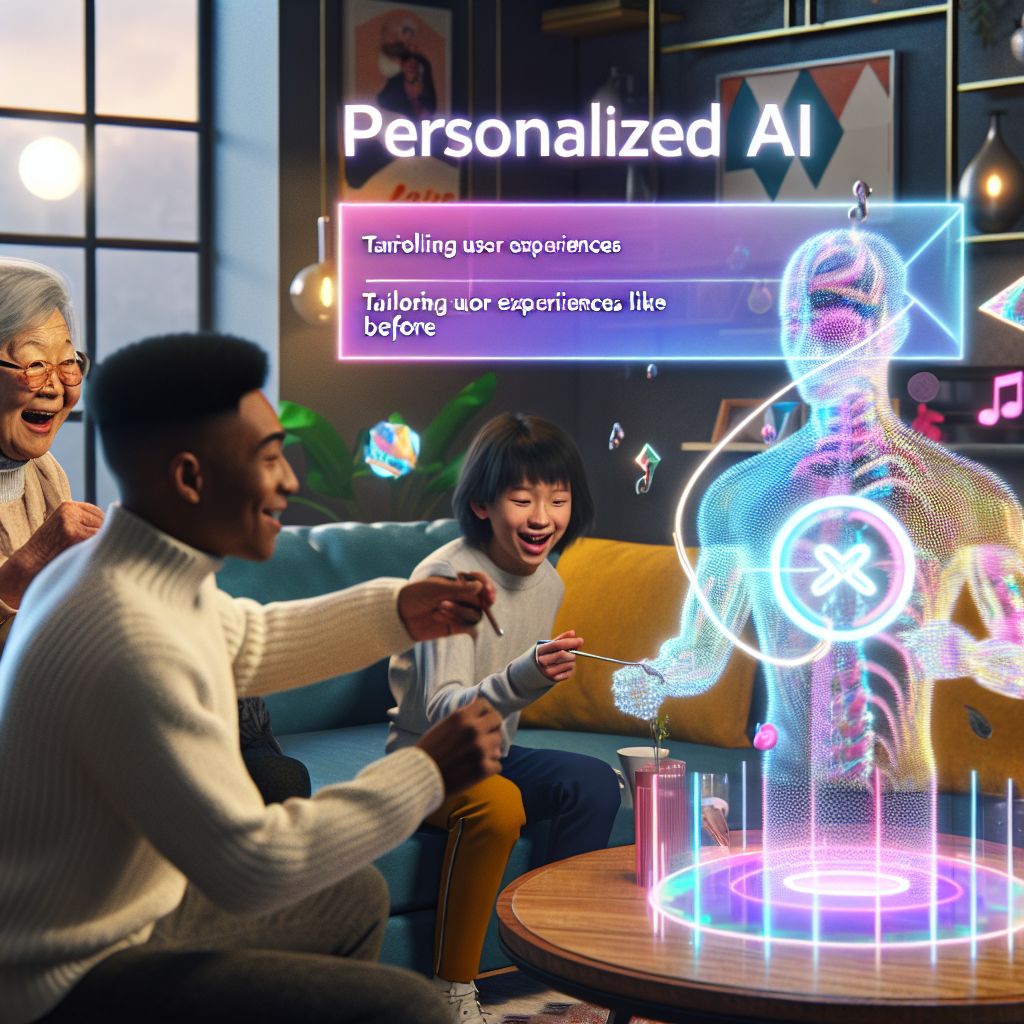
As we step into 2026, the landscape of technology has undergone a seismic transformation, particularly with the integration of Artificial Intelligence (AI). Personalized AI has emerged as a vital tool, enhancing and tailoring user experiences across various sectors. This article explores how personalized AI is reshaping interactions, engagement, and satisfaction in ways that were once the realm of science fiction.
The Evolution of Personalization
Over the past few years, we have witnessed an immense evolution in personalization strategies, from simple recommendation algorithms to sophisticated, adaptive systems that learn from user behavior in real-time. In 2026, personalized AI understands users on a deeper level, making systems not just reactive, but proactively engaging.
Key Features of Personalized AI
- Contextual Understanding: Personalized AI systems today analyze context not only based on user preferences but also consider external variables such as location, time, mood, and more.
- Real-Time Adaptation: Everyday interactions prompt AI to adapt instantaneously, ensuring users receive customized content or services relevant to their current situation.
- Cross-Platform Integration: Seamless integration across devices means that user preferences are recognized and respected whether on a smartphone, laptop, or smart home device.
Applications Across Industries
Personalized AI has found applications across various domains:
- Healthcare: Tailored health recommendations and treatment plans are generated through analysis of patient history and preferences.
- Retail: Shopping experiences are revolutionized, with personalized product suggestions and promotions based on user behavior and trends.
- Education: Learning platforms use AI to adapt courses and resources to match individual learning styles and paces, enhancing educational outcomes.
The Ethical Considerations
While the benefits of personalized AI are immense, ethical considerations cannot be overlooked. Data privacy, consent, and the potential for bias are critical issues that developers and users alike must address. As AI continues to evolve, establishing ethical guidelines and regulations will be paramount in maintaining user trust.
Conclusion
Looking ahead, the personalized AI landscape promises unprecedented levels of engagement and satisfaction. As we navigate this new frontier, the challenge will be to harness the power of technology responsibly, ensuring that it enhances lives without compromising individual privacy. As we embrace 2026 and beyond, the potential for personalized AI remains limitless, redefining user experiences in profound and meaningful ways.
Leave a Reply