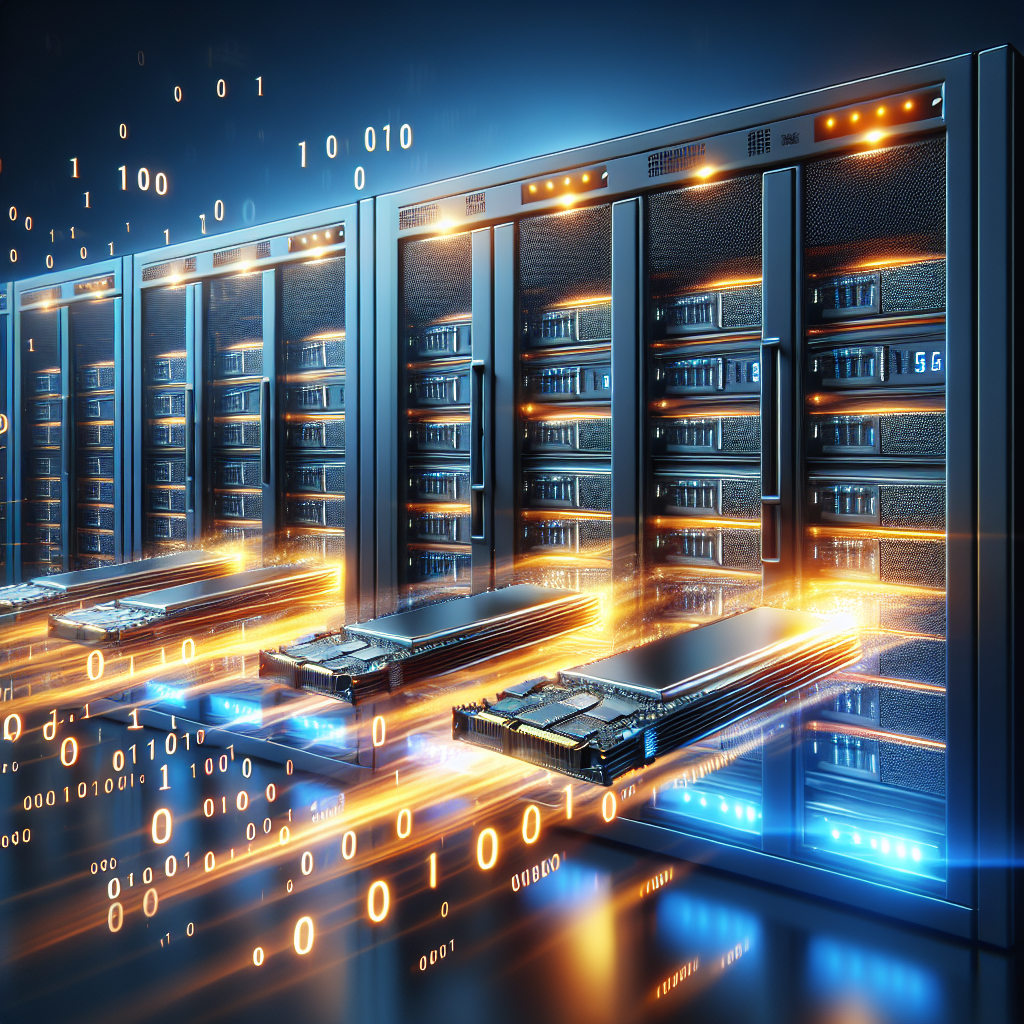
In today’s fast-paced digital landscape, optimizing performance is crucial for businesses and organizations of all sizes. Whether you’re managing a bustling e-commerce site, a resource-intensive application, or a corporate website, the infrastructure you choose can significantly impact your bottom line. One of the most effective ways to enhance online performance is by opting for dedicated servers equipped with Solid State Drive (SSD) storage. Let’s explore the advantages of this powerful combination.
1. Speed and Performance
Speed is a critical factor in user experience and overall satisfaction. Dedicated servers with SSD storage provide remarkable advantages in terms of performance:
- Faster Load Times: SSDs are up to 100 times faster than traditional Hard Disk Drives (HDDs). This means your website or application will load quickly, keeping users engaged and reducing bounce rates.
- Increased Data Access Speed: SSDs have lower latency, which means that data retrieval is almost instantaneous. This results in faster processing times for applications, leading to a smoother user experience.
- Improved Resource Allocation: Dedicated servers allow you to allocate resources optimally, ensuring that your applications operate efficiently without any bottlenecks.
2. Reliability and Stability
When it comes to data storage, reliability is paramount. Dedicated servers with SSDs offer several reliability advantages:
- Durability: SSDs have no moving parts, making them less prone to physical damage compared to HDDs. This translates to a longer lifespan, reducing the need for frequent upgrades.
- Better Performance Under Load: SSDs perform consistently under heavy workloads, ensuring that your applications remain responsive even during high traffic periods.
- Redundancy Options: Many dedicated server providers offer SSDs with redundancy features, such as RAID configurations, further enhancing data integrity and availability.
3. Scalability
The business world is always changing; your infrastructure should be able to adapt as well. Dedicated servers with SSD storage provide an excellent foundation for scalability:
- Easy Upgrades: As your website or application grows, you can easily upgrade your server’s resources without major disruptions, allowing for sustainable growth.
- Flexible Configurations: Many providers offer a variety of configurations, allowing you to choose the best fit for your current and future needs.
- Resource Monitoring: Tools that come with dedicated servers help you monitor usage, enabling you to make informed decisions about scaling resources when necessary.
4. Enhanced Security
Security is a top priority for any online presence. Dedicated servers with SSDs provide several layers of security features:
- Custom Security Protocols: With dedicated servers, you have the freedom to implement custom security measures tailored to your specific needs.
- Regular Backups: Many providers offer SSD-specific backup solutions that enhance data security and can be quickly restored in case of loss or damage.
- Isolation: Dedicated servers are not shared, which means that your data remains isolated from potential vulnerabilities that could come from other users on a shared server.
5. Cost-Effectiveness
While the initial investment in dedicated servers with SSD storage may be higher than traditional options, the long-term benefits far outweigh the costs:
- Longer Lifespan: The durability and reliability of SSDs reduce the need for frequent replacements, ultimately saving you money over time.
- Reduced Downtime: Enhanced performance translates to fewer issues with downtime, which can be costly for businesses.
- Increased Revenue Potential: Faster website performance leads to higher conversion rates, thereby boosting your revenue.
Conclusion
In an increasingly competitive digital landscape, optimizing performance is essential for success. Dedicated servers with SSD storage provide a unique blend of speed, reliability, scalability, security, and cost-effectiveness that can significantly enhance your online presence. As more businesses recognize these advantages, those who make the switch position themselves better for both immediate and long-term success. Investing in dedicated servers with SSDs is an investment in your future.
FAQs
1. What is the difference between SSD and HDD?
SSD (Solid State Drive) uses flash memory to store data, enabling faster access and improved performance, while HDD (Hard Disk Drive) uses spinning disks, making it slower and more prone to mechanical failure.
2. Are dedicated servers expensive?
While the initial cost can be higher than shared hosting, dedicated servers offer better performance and reliability, which can result in lower long-term costs.
3. Can I upgrade my server later?
Yes, most providers allow you to easily upgrade your server’s resources as your business grows, ensuring that your infrastructure keeps pace with your needs.
4. Do dedicated servers come with customer support?
Yes, most dedicated server providers offer 24/7 customer support to assist with any issues or questions that may arise.
Leave a Reply