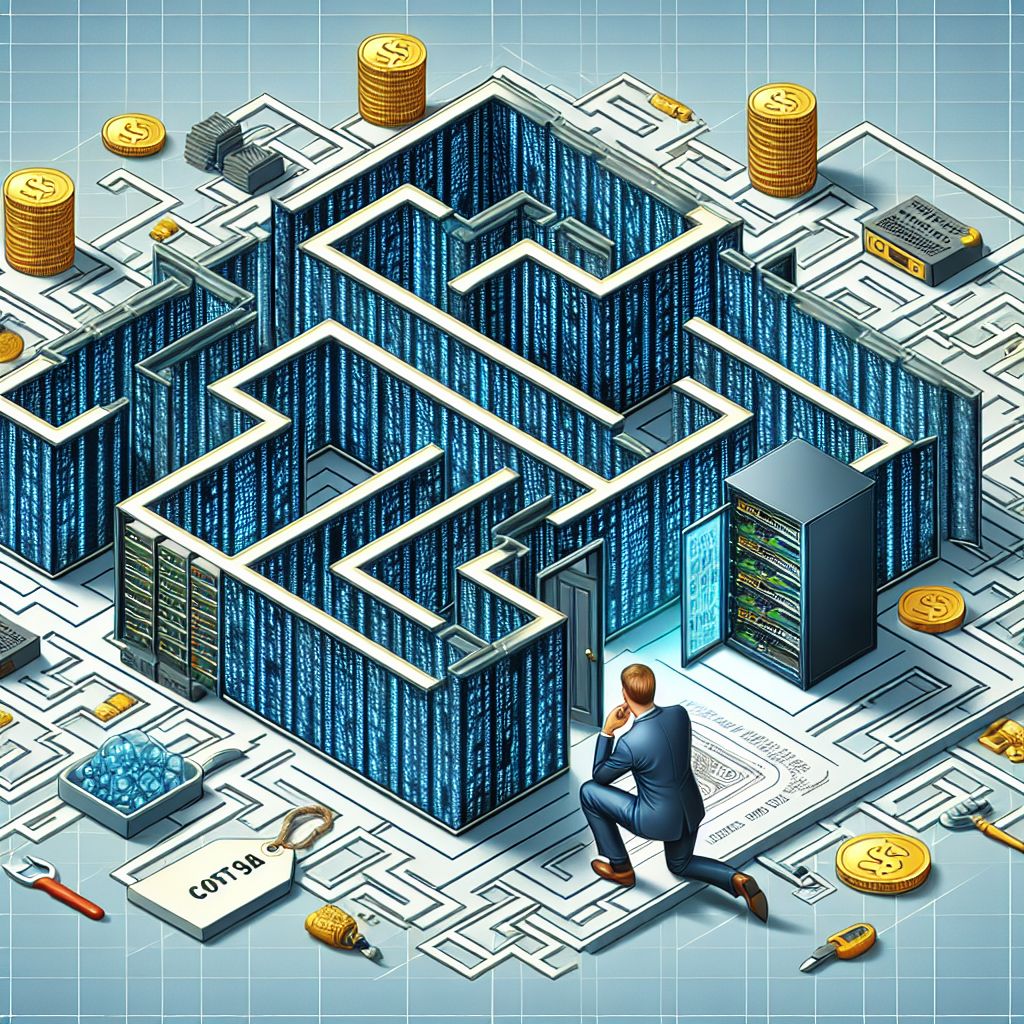
In the rapidly evolving world of cloud computing, organizations are often faced with the choice between virtual and physical servers. Among these options, bare metal servers have gained significant traction. In this guide, we will navigate the intricate landscape of bare metal server pricing, exploring costs, features, and the factors that influence your decision-making process.
What is a Bare Metal Server?
A bare metal server is a physical server dedicated to a single tenant, offering complete control over resources without the overhead of virtualization. Unlike shared or cloud hosting services, where multiple clients share the same hardware, bare metal servers provide users with high performance, enhanced security, and compliance advantages. Their unique characteristics make them ideal for resource-intensive applications, big data analytics, and high-traffic websites.
Understanding Bare Metal Server Pricing
When considering bare metal servers, potential users often wonder about pricing. Understanding the components of the pricing model can help you make a more informed decision:
- Hardware Specifications: The cost is largely determined by the server’s hardware specifications, including CPU, RAM, storage type (HDD or SSD), and bandwidth.
- Setup Fees: Some providers may charge a one-time setup fee for configuring the server and installing the operating system.
- Monthly Payments: Most bare metal servers are offered on a subscription basis, which usually includes ongoing support and maintenance.
- Add-Ons: Additional services like enhanced security, backups, and server monitoring may incur extra charges.
Factors Affecting Bare Metal Server Pricing
Several factors can influence the pricing of bare metal servers, which can vary significantly across different providers:
- Provider Reputation: Established hosting companies might charge more due to perceived reliability and customer support.
- Geographic Location: Data center locations can affect costs, especially when considering local regulations and energy prices.
- Contract Length: Committing to longer contract terms often results in lower monthly rates.
- Custom Configurations: Customizing server specifications to meet specific requirements can increase the overall price.
Popular Bare Metal Server Providers
When it comes to bare metal servers, choosing a reliable provider is crucial. Here are some of the most recognized providers in the market:
- IBM Cloud: Offers high-performance bare metal servers with a variety of configurations and flexible pricing.
- OVH: Known for its competitive pricing and robust hardware options, ideal for large-scale applications.
- DigitalOcean: Provides easy-to-use bare metal servers aimed at developers and small businesses at affordable rates.
- Scaleway: Offers unique pricing models catering to startups and developers seeking cost-effective solutions.
Use Cases for Bare Metal Servers
Understanding the specific use cases for bare metal servers can guide your choice and investment:
- Gaming Servers: High-performance requirements make bare metal servers an essential choice for gaming applications.
- High-Performance Computing: Applications in research and data analysis with intensive processing power needs benefit from dedicated resources.
- Private Cloud Solutions: Organizations looking for control and customization often deploy private cloud infrastructures on bare metal.
How to Choose the Right Bare Metal Server for You
Choosing the right bare metal server involves considering various factors:
- Assess Your Needs: Determine your current and future requirements based on traffic, applications, and performance needs.
- Evaluate Costs: Analyze pricing models from different providers to find the most suitable plan for your budget.
- Consider Support: Look for providers that offer 24/7 support and reliable customer service.
- Scalability: Ensure the provider can accommodate your potential scaling needs as your business grows.
Conclusion
Navigating bare metal server pricing may seem daunting, but understanding the key factors at play simplifies the journey. Assess your organization’s needs, investigate various providers, and carefully review their offerings. By doing so, you can ensure you choose the best bare metal server solution that provides value and meets your performance requirements.
FAQs
1. What is the average cost of a bare metal server?
The average cost can range anywhere from $50 to several hundred dollars per month depending on the specifications and services you choose.
2. Are there any setup fees associated with bare metal servers?
Some providers may charge setup fees, while others include it as part of their monthly service. Always check the terms before signing up.
3. Can I customize my bare metal server configuration?
Yes, most providers offer options to customize hardware specifications like CPU, RAM, and storage types to meet your specific needs.
4. What level of support can I expect with bare metal servers?
Support levels vary by provider, but most reputable companies offer 24/7 customer support, including both technical assistance and general inquiries.
5. Are bare metal servers still relevant in the age of cloud computing?
Absolutely! Bare metal servers are still very relevant, especially for applications requiring high performance, control, and security.
Leave a Reply