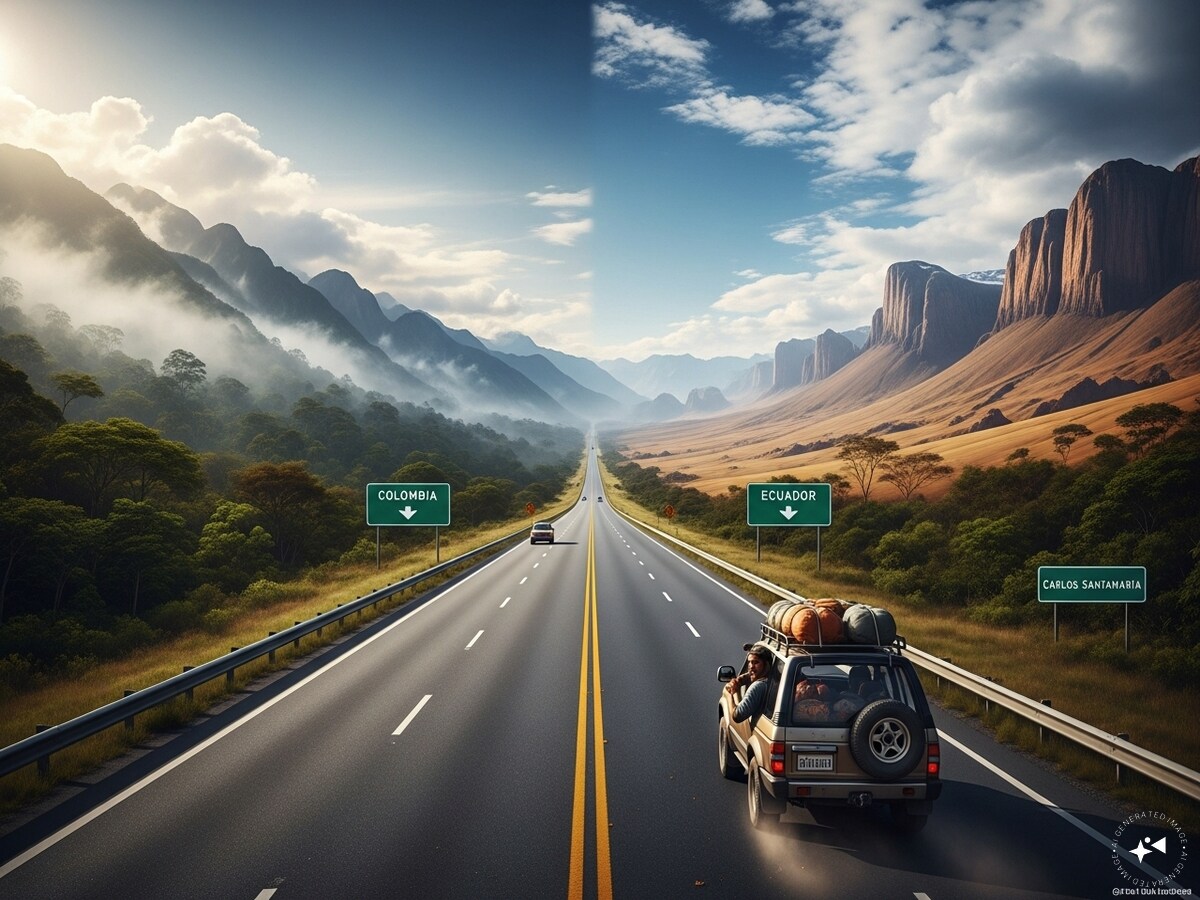
When we speak of the longest road in the world, its scale is so vast that even if one were to travel 500 kilometres a day, the journey would still take more than two months to complete. The most fascinating aspect of this route is that it stretches across 14 countries without requiring a single U-turn.
The Pan-American Highway is a continuous network that spans major North American nations, including Mexico, Guatemala, El Salvador, Honduras, Nicaragua, Costa Rica, and Panama. It continues into South America, passing through Colombia, Ecuador, Peru, Chile, and Argentina. This extraordinary highway holds several records.
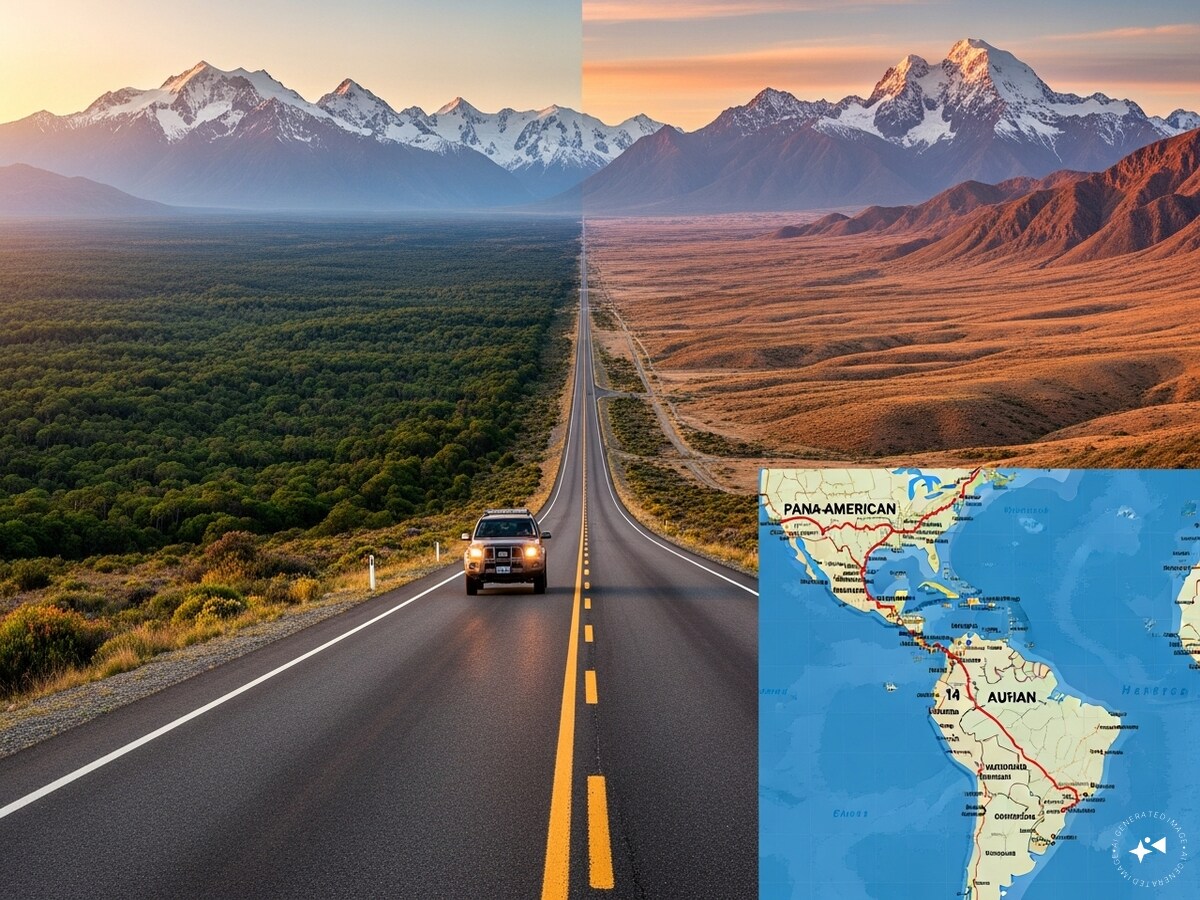
Most notably, the Pan-American Highway is recognised in the Guinness World Records as the longest motorable road on Earth. Beginning at Prudhoe Bay in Alaska, the highway extends for roughly 30,000 km, depending on the specific route taken. Owing to the vast road networks across the United States, Canada, and Mexico, travellers can choose from multiple variations of the route.
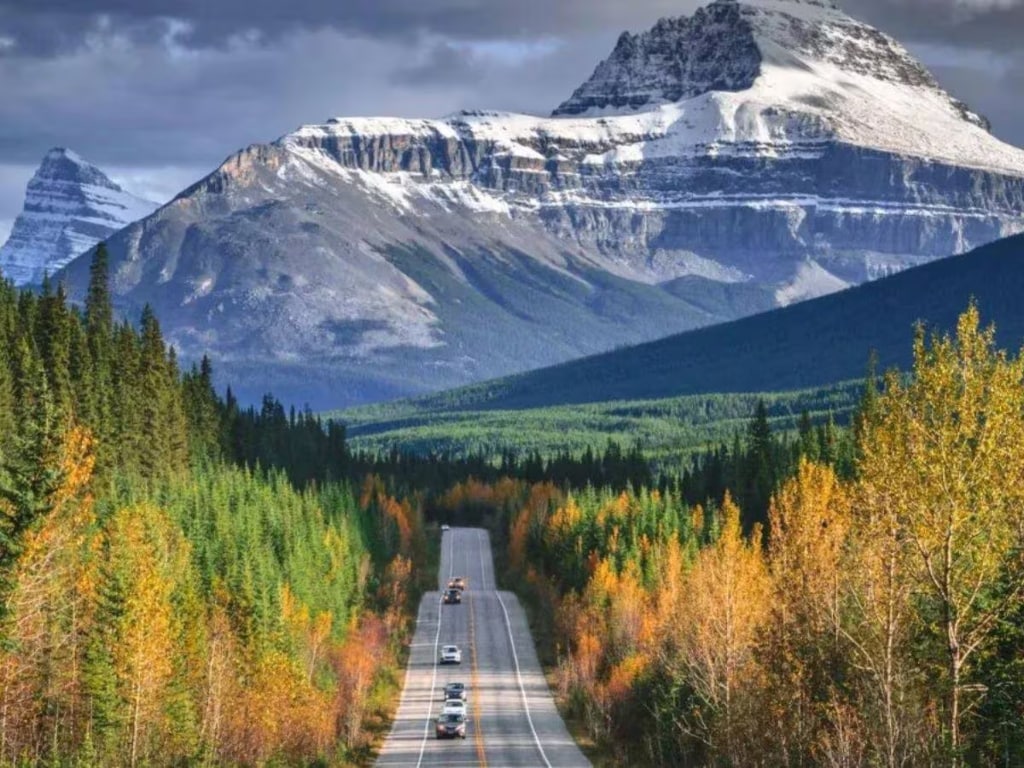
Traversing a remarkable range of landscapes, from dense rainforests to barren deserts, the Pan-American Highway is not only the longest highway in the world but also one of its most iconic. Journeys along this road offer an ever-changing experience of climates and environments.
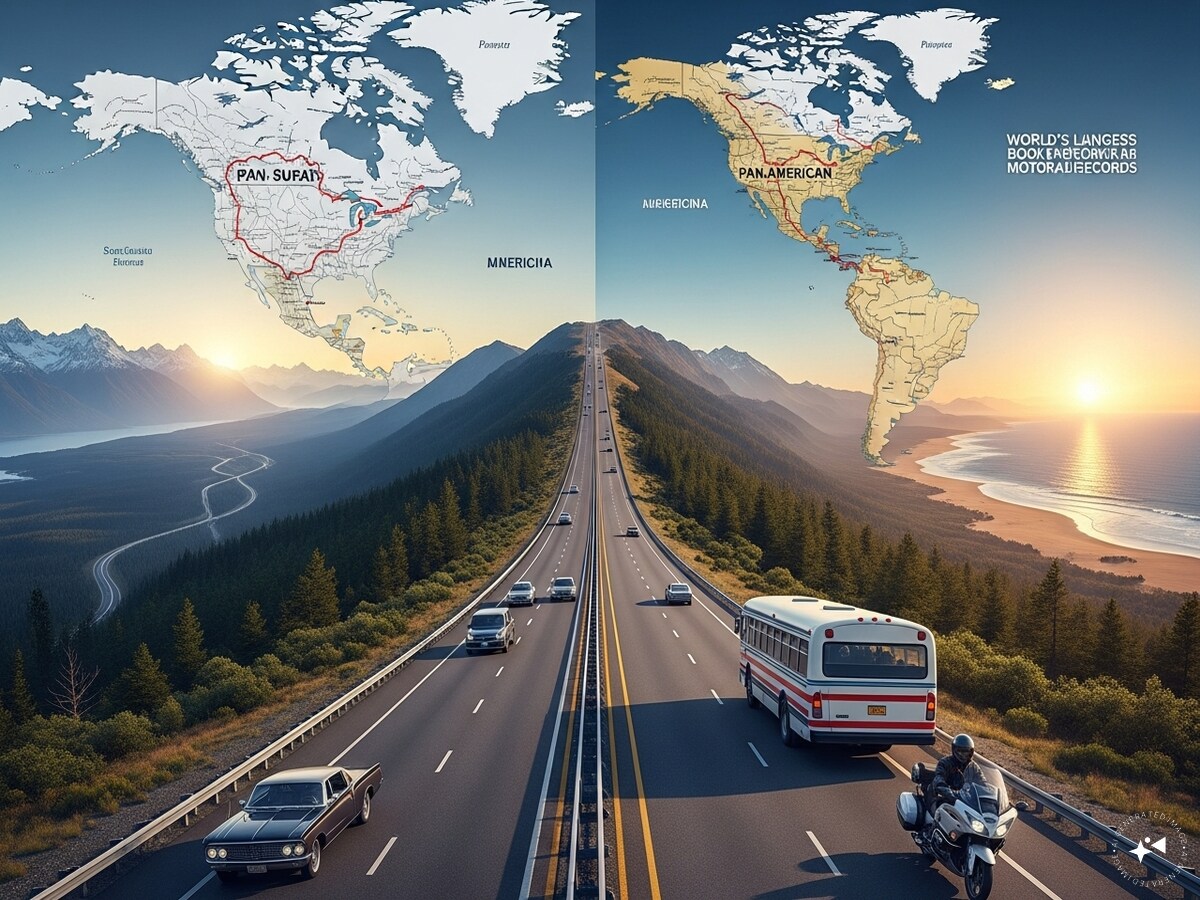
How long does it take to cross? According to reports, most travellers require around 60 days to complete a full journey along the Pan-American Highway. However, this duration varies depending on the vehicle’s speed and the chosen pace. For instance, a traveller named Carlos Santamaría is known to have taken 117 days to complete the route.
Additionally, a significant portion of the highway passes through Spanish-speaking countries. For this reason, travellers are encouraged to learn at least some basic Spanish to avoid awkward situations along the way.
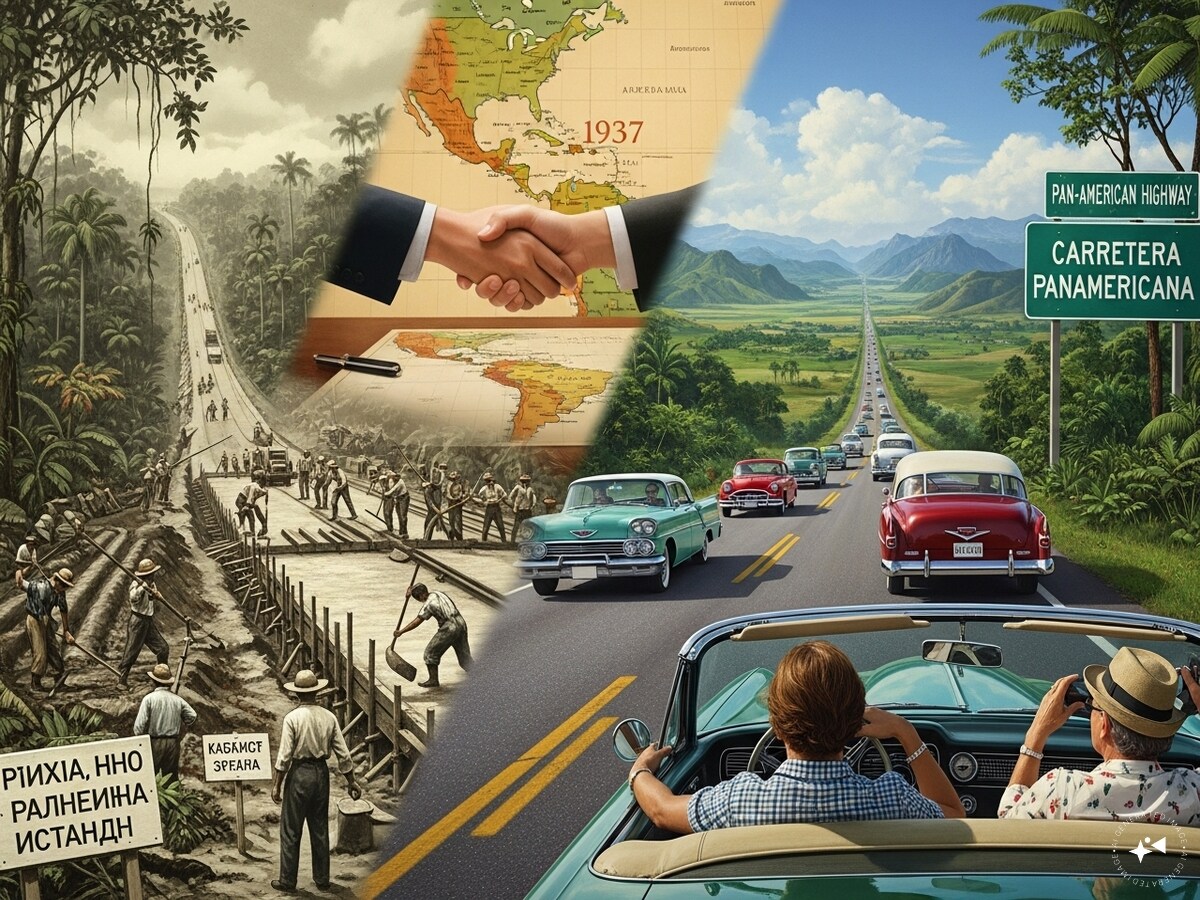
Construction of the Pan-American Highway began in the early 1920s intending to boost tourism in the United States. In 1937, after 14 countries agreed on its construction and maintenance, the road was gradually developed and was opened to the public in 1960.
Leave a Reply