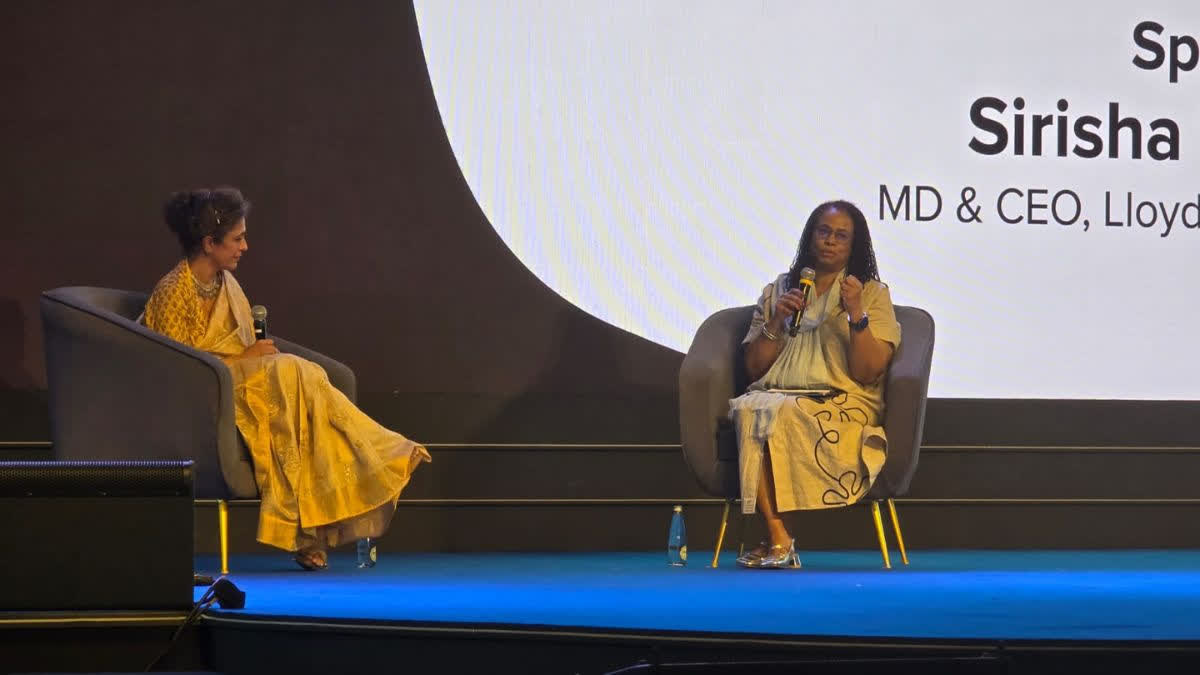
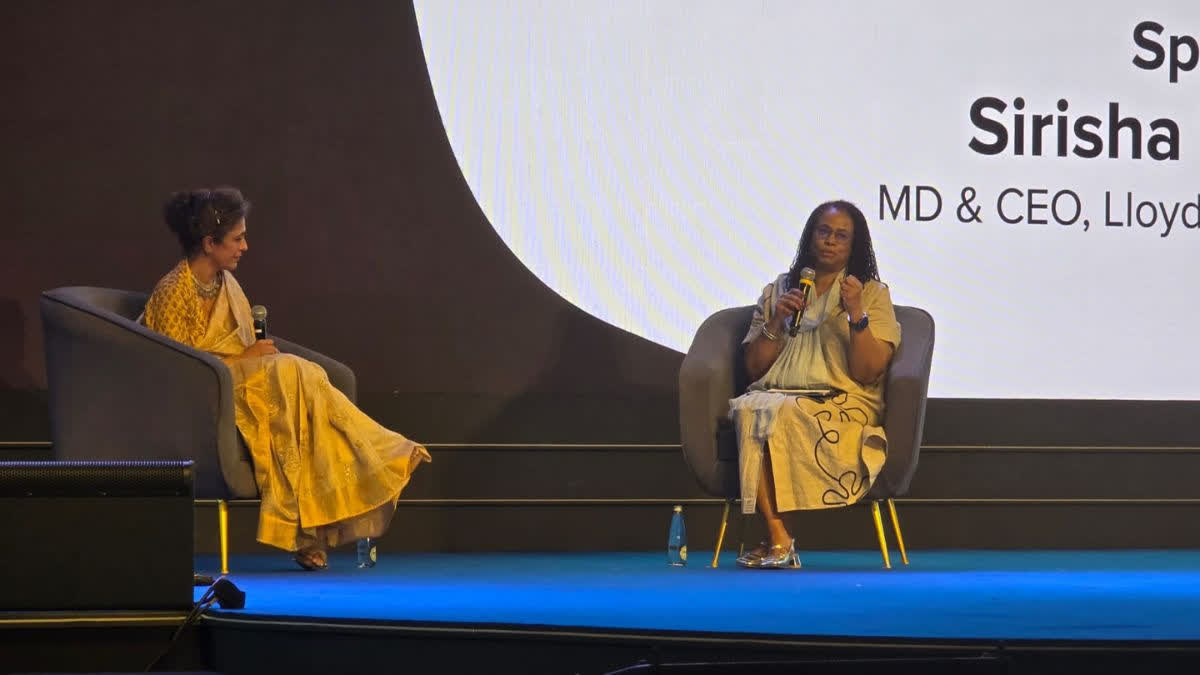
The GHC 2025 was hosted in Bengaluru, India, at the Karnataka Trade Promotion Organisation (KTPO) (Image Credit: ETV Bharat via Anubha Jain)
Bengaluru: The Grace Hopper Celebration (GHC) is an annual event that offers women and non-binary technologists a platform to celebrate their achievements, promote their research and career interests. It also becomes a venue where people get networking opportunities as well.
This annual event is named after Rear Admiral Grace Hooper, who was a pioneering American computer scientist and U.S. Navy officer who created the first compiler and co-developed the Common Business Oriented Language (COBOL) programming language.
It is primarily organised by AnitaB.org. It is a global nonprofit social enterprise that empowers women, nonbinary individuals, and other underrepresented groups in technical fields like computing or tech via mentorship, professional development, networking, and career opportunities.
The GHC 2025 was hosted in Bengaluru, India, at the Karnataka Trade Promotion Organisation (KTPO). It ended on Thursday.
This year, GHC was themed on ‘The Unbound Decade: India’s Pivotal Role in Shaping Global Inclusion Narrative’, which focuses on India’s unique model of how economic growth and social inclusion happen together using technology, green policies, and inclusive governance.
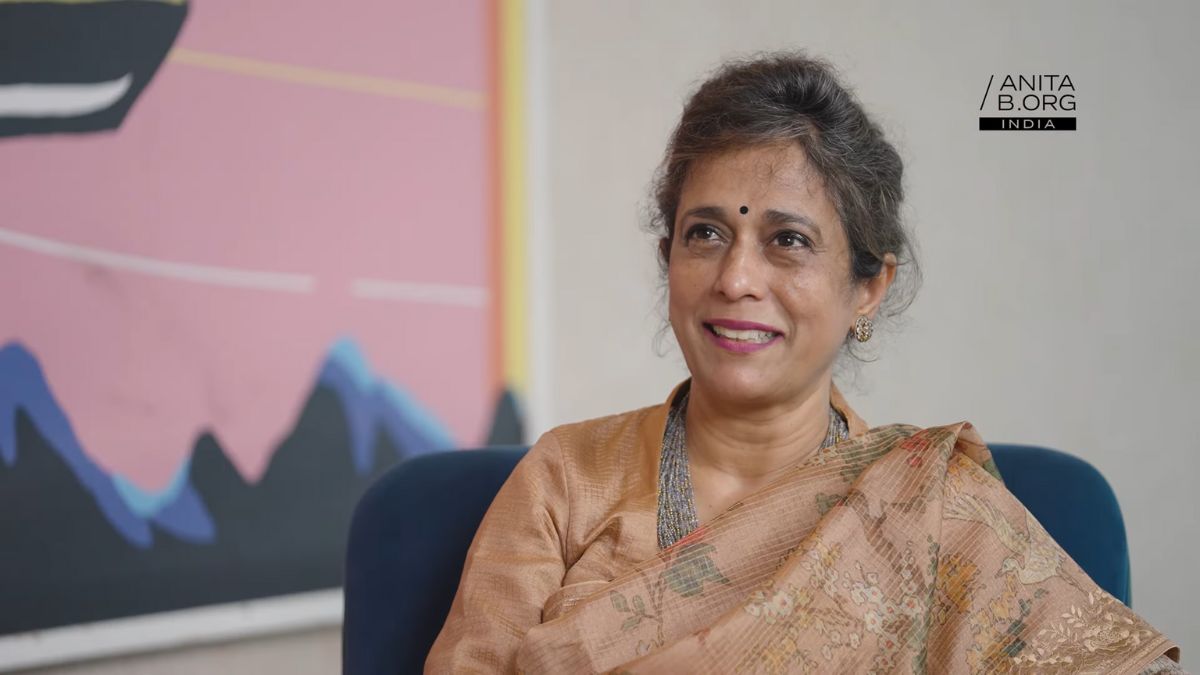
Sirisha Voruganti (Image Credit: AnitaB_org India)
Sirisha Voruganti, MD and CEO, Lloyds Technology Centre, said, “It’s not always success—there are many failures along the way. Unbound is about resolve, resilience, and returning stronger to pursue what you truly love.” She stated this in a conversation with Brenda Darden Wilkerson, President & CEO of AnitaB.org.
Wilkerson said that we only truly learn from our failures — the real lessons come when we fall. Those lessons are what ultimately enable us to succeed and create meaningful impact.
Voruganti, who is an engineer by education, started her career at the Ministry of Defence, contributing to Dr APJ Abdul Kalam’s early missile development programmes and mission computing for navigation systems, before moving on to the Tejas mission.
Over 34 years of her career journey, she spanned from defence, chip co-design, entrepreneurship, to financial-technology services. Speaking about Global Capability Centres (GCCs), Voruganti highlighted that 50 per cent of them are based in India, employing 1.9 million engineers—a number expected to grow to 3.5 million by 2030, with projected revenues touching $100 billion.
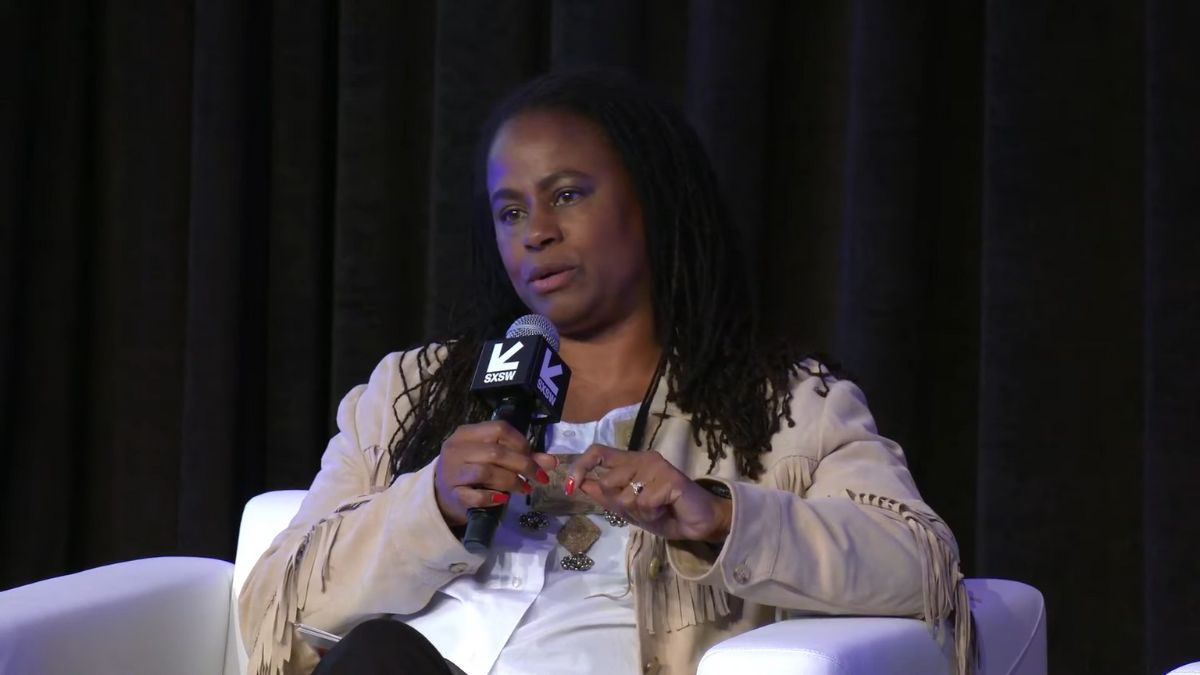
Brenda Darden Wilkerson (Image Credit: AnitaB_org)
She emphasised that India’s engineering talent is unmatched, and with every major shift in the industry, India emerges stronger and better equipped to solve global problems. Now, as the world enters the new age of AI, she believes, “India’s story has only just begun. We are experimenting with AI today, and by 2027, we may achieve large-scale adoption to tackle significant challenges. Drawing parallels to the early days of computers.” She noted that fears of job loss repeat with every technological leap. Just as computers created more opportunities, she said, AI will also transform roles and generate an entirely new wave of jobs rather than eliminate them.
Meanwhile, Wilkerson noted that we are only at the beginning of AI and Large Language Models (LLMs), with immense opportunities to learn. She emphasised that women must be well-represented in the systems being created.
Voruganti emphasised the importance of upskilling and learning from the younger generation—while experienced professionals understand core architecture and problems, younger talent often know how to solve them. Wilkerson noted that AI development demands a new approach to management.
Talking about inclusion, Voruganti emphasised building tech design teams with meaningful female representation. Women make up around 40 per cent compared to men, who make up 30 per cent in early careers. The presence of women drops to just 5 per cent at senior leadership levels, creating a pyramid effect.
She stressed that true inclusion means achieving 50-50 representation across all levels, ensuring equity and participation at every stage of the hierarchy. We must believe in our abilities, and it’s okay not to be perfect in every role—wife, professional, mother—but to give our best without expecting perfection in everything,” she added. Wilkerson concluded that women should harness their resilience and experiences, staying focused despite being overlooked.
Leave a Reply