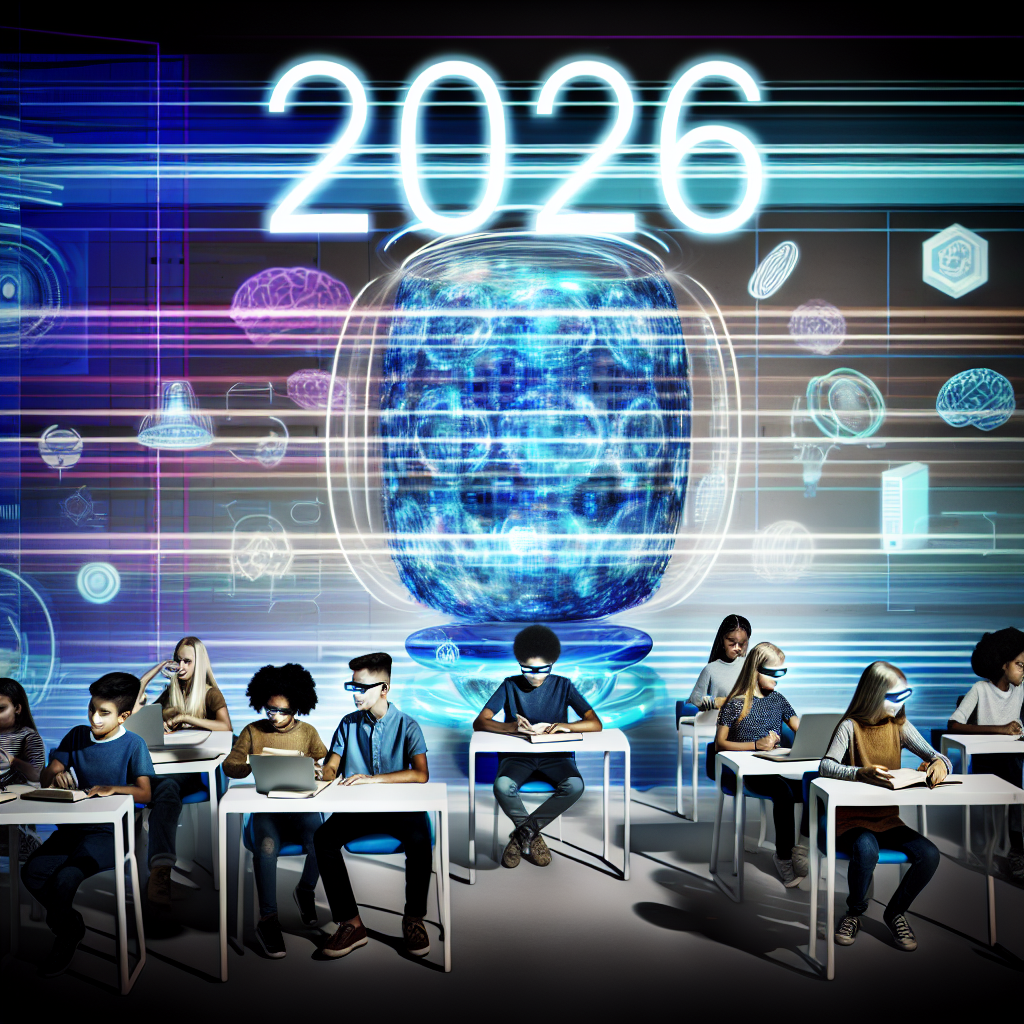
As we step into 2026, the landscape of education has undergone a remarkable transformation, driven by advancements in artificial intelligence (AI). This article explores how AI is reshaping learning experiences, making education more personalized, accessible, and effective than ever before.
The Rise of Personalized Learning
Gone are the days of one-size-fits-all education. AI algorithms analyze individual learning patterns, strengths, and weaknesses to tailor educational content. Platforms equipped with AI can create personalized learning paths that adapt in real-time, offering customized resources and assessments that meet the unique needs of each student.
Intelligent Tutoring Systems
More students are turning to intelligent tutoring systems for support. These AI-driven platforms not only provide instant feedback but also simulate one-on-one tutoring experiences. They can recognize when a student is struggling and offer targeted exercises to address specific knowledge gaps, ensuring that no learner is left behind.
Enhanced Accessibility
Accessibility is another domain where AI shines. For students with disabilities, AI tools such as speech recognition, text-to-speech, and language translation have made learning materials more accessible. This democratization of educational resources ensures that everyone, regardless of their physical or cognitive challenges, can engage in quality learning.
Data-Driven Insights for Educators
AI doesn’t just benefit students; it also empowers educators. Through data analytics, teachers can gain insights into student performance trends, identifying common challenges and effectively tailoring their teaching strategies. This data-driven approach enables a more proactive educational environment, enhancing overall learning outcomes.
Blockchain and AI Integration
In 2026, the integration of blockchain technology with AI is revolutionizing the way educational credentials are issued and verified. Secure digital certificates and diplomas can now be effortlessly shared and validly authenticated, mitigating issues of fraud and enhancing the credibility of educational institutions.
The Future of Assessment
Traditionally, assessments have been limited to standardized testing. However, AI is paving the way for more dynamic assessment methods that encompass project-based evaluations, peer reviews, and continuous assignments. This shift not only provides a more holistic view of a student’s capabilities but also fosters critical thinking and creativity.
Challenges and Considerations
Despite the incredible potential, the integration of AI in education faces challenges, including data privacy concerns and equitable access to technology. Stakeholders must navigate these hurdles while ensuring that the benefits of AI are available to all learners.
Conclusion
As we move further into 2026, AI’s influence on education continues to grow, ushering in a new era of learning that is more personalized, inclusive, and effective. By harnessing the power of AI, we are redefining the educational experience, preparing students not just for exams, but for life in an increasingly complex world.
Leave a Reply