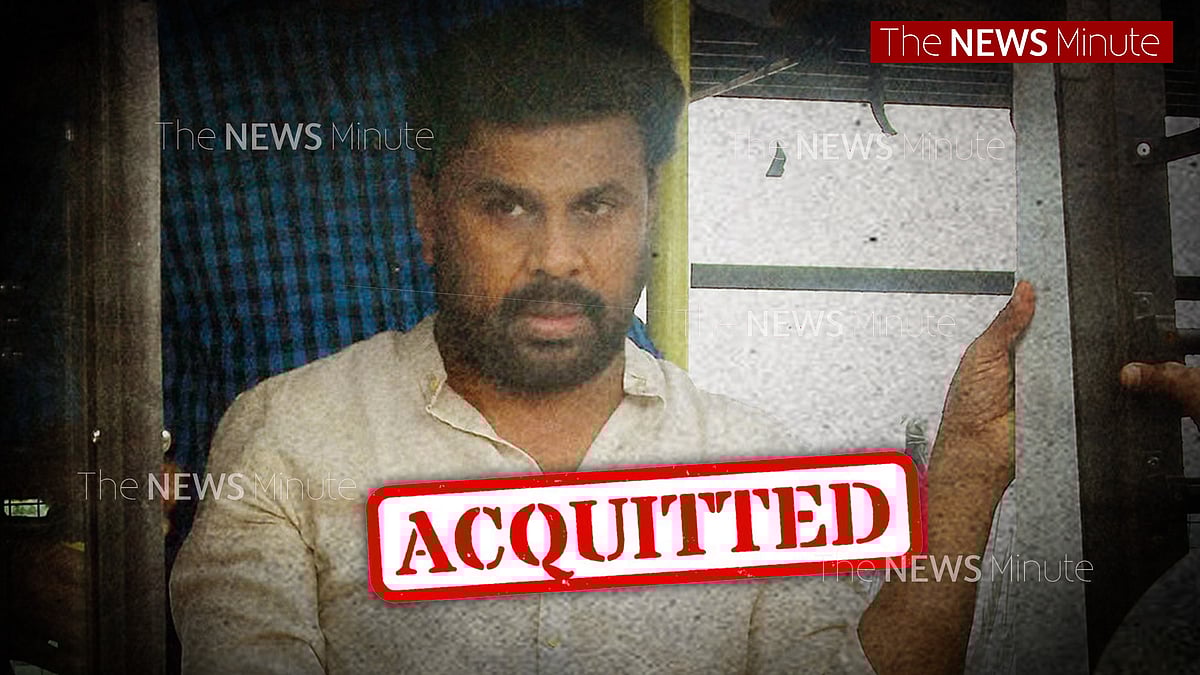
With Dileep’s acquittal, the person accused of actually plotting the conspiracy has not been held to account.
Trial proceedings began on January 30, 2020, and unfolded over nearly five years. The case was presided over by Special Judge Honey M Varghese, appointed in 2019 after the survivor sought a woman judge. But as the trial progressed, repeated requests by the survivor and the state government to replace Honey Varghese, citing alleged bias, were rejected at various judicial levels, including by the Supreme Court.
The proceedings were marked by several delays and intense legal battles, including hostile witnesses, allegations of digital evidence tampering, and multiple petitions by the accused.
The Kerala High Court and the Supreme Court routinely heard petitions related to bail, access to the assault visuals, and the transfer of the case. The prosecution team also changed several times, and separate investigations were launched into the unlawful access of crucial digital evidence, including visuals of the sexual assault.
In 2024, the Kerala government even accused Dileep of attempting to obstruct and delay the trial.
All the accused have been out on bail for varying periods of time due to the extended duration of the trial. On September 18, 2024, the Supreme Court granted bail to the main accused, Suni, observing that the trial was unlikely to conclude within a reasonable timeframe.
The final phase of the trial involved testimonies from more than 200 witnesses and detailed forensic analyses. Charges against the various accused included IPC sections 120B (criminal conspiracy), 366 (kidnapping), 376D (gang rape), and offences under the Information Technology Act.
Leave a Reply