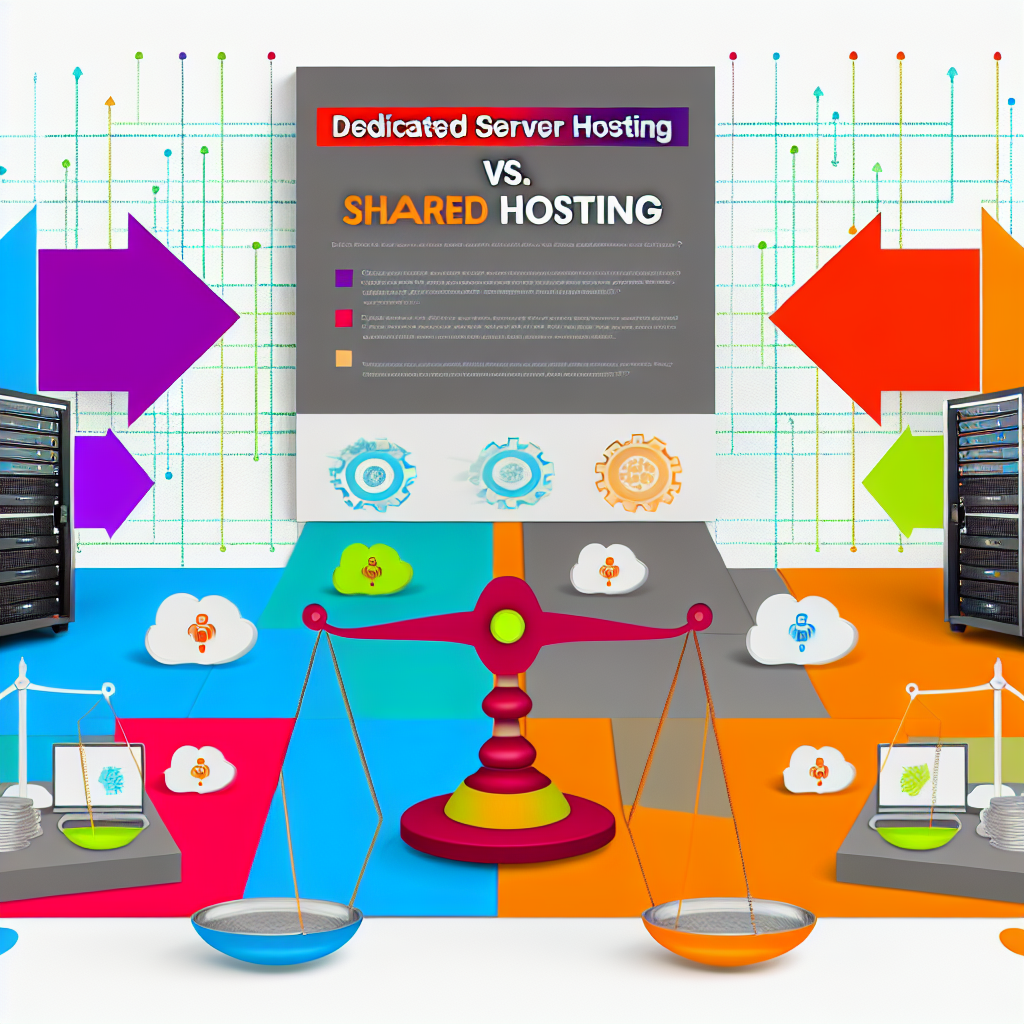
Choosing the right hosting solution is critical for the success of your website or online business. With various options available, it’s essential to understand the differences between dedicated server hosting and shared hosting to make an informed decision. In this article, we will explore both options and help you determine which is best suited for your needs.
Understanding Shared Hosting
Shared hosting is a type of web hosting where multiple websites share the same server resources. This option is ideal for small websites and beginners due to its affordability. However, it comes with its own set of pros and cons.
Pros of Shared Hosting
- Cost-Effective: Shared hosting plans are generally much cheaper than dedicated hosting, making them accessible to individuals and small businesses.
- Easy to Manage: Most shared hosting services offer user-friendly control panels and customer support, which simplify site management.
- Sufficient for Low-Traffic Sites: For personal blogs, portfolios, and non-commercial sites, shared hosting often meets most needs.
Cons of Shared Hosting
- Limited Resources: Resources (CPU, RAM, bandwidth) are shared among multiple websites, which can affect performance if one site experiences high traffic.
- Security Risks: Sharing a server with potentially malicious sites can put your website at risk via vulnerabilities.
- Less Control: Users have limited configuration options and access to server settings.
Understanding Dedicated Server Hosting
Dedicated server hosting provides an entire server exclusively for your website. This option is suitable for high-traffic sites or businesses that need enhanced performance and security.
Pros of Dedicated Hosting
- Full Control: Dedicated hosting gives you complete control over the server, allowing for customized configurations and installations.
- Increased Performance: With dedicated resources, your website can handle high traffic volumes without performance degradation.
- Enhanced Security: This option provides better security features, reducing the risk of attacks from other sites on the server.
Cons of Dedicated Hosting
- Higher Cost: The price of dedicated hosting is significantly higher than shared hosting, which may not be feasible for all users.
- Requires Technical Expertise: Managing a dedicated server often requires technical skills or hiring a system administrator.
- Longer Setup Time: Setting up a dedicated server can be more complex and time-consuming compared to shared hosting.
Which is Right for You?
Choosing between dedicated server hosting and shared hosting ultimately depends on your specific needs:
- If you’re just starting out, running a small blog, or have limited budget, shared hosting is a perfect choice.
- If you run a large business, expect high traffic, or require maximum performance and security, dedicated hosting is the better option.
In summary, assess your website’s requirements, growth potential, and budget to make an informed decision that aligns with your long-term goals.
Leave a Reply