Published by DJ Technologies | 2025
In the fast-evolving landscape of information technology, organizations are increasingly adopting innovative solutions to enhance their infrastructure security and operational efficiency. One of the technological advancements that has gained significant traction is containerization. As we transition into 2025, understanding the symbiotic relationship between containerization and Virtual Private server (VPS) security has never been more crucial.
Understanding Containerization
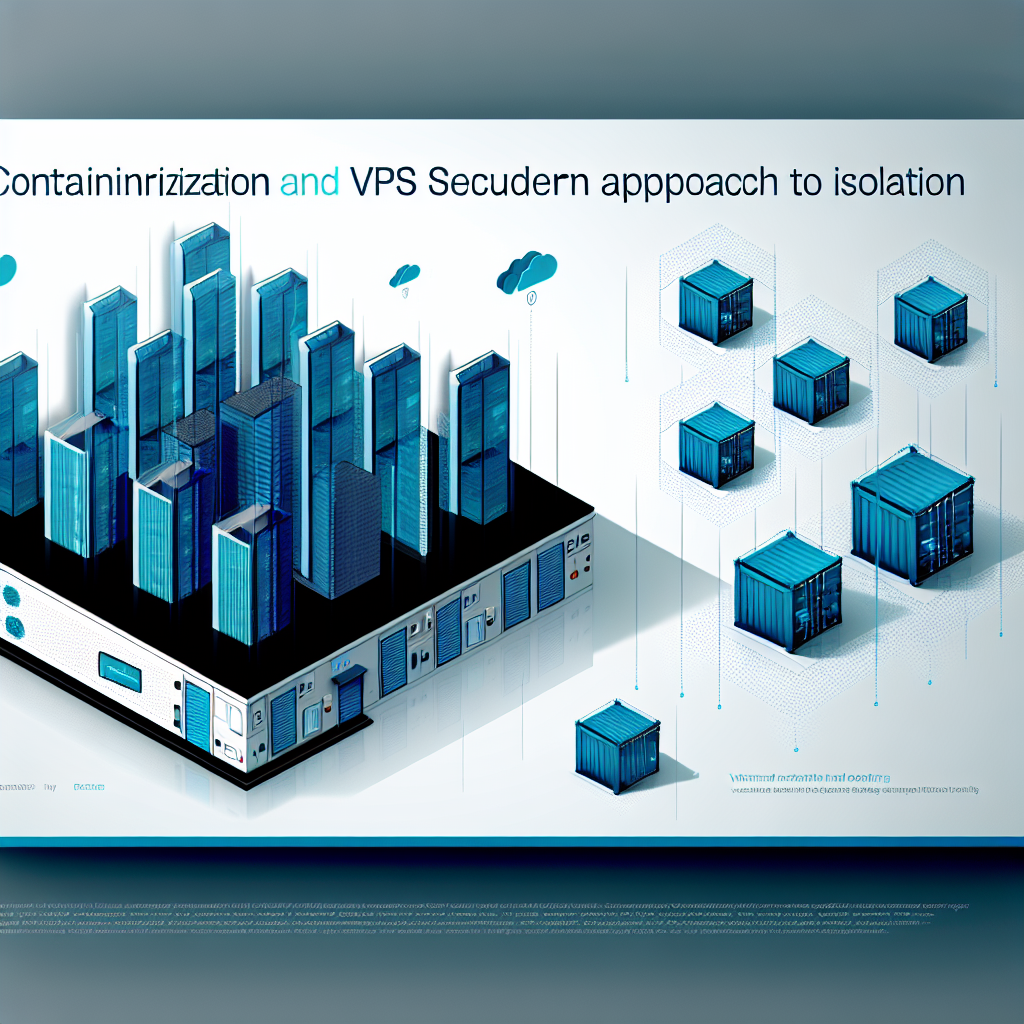
Containerization is a lightweight virtualization method that encapsulates applications and their dependencies into isolated units called containers. Unlike traditional virtualization, where each application runs on a dedicated operating system, containerization allows multiple containers to share the same OS kernel while maintaining isolated user spaces. This leads to increased resource efficiency, reduced overhead, and accelerated deployment times.
The Rise of VPS
Virtual Private Servers (VPS) provide an efficient means for businesses to manage their server environments. VPS combines the affordability of shared hosting with the dedicated resources of a dedicated server, allowing businesses to operate in a secure, isolated environment.
As organizations grow, so does the complexity of their IT infrastructures. This complexity makes them more susceptible to security threats. Consequently, integrating advanced security protocols into the VPS environment has become imperative.
The Intersection of Containerization and VPS Security
The intersection of containerization and VPS security offers modern solutions to traditional security concerns. Here are some ways this combination enhances security:
1. Enhanced Isolation
Containerization inherently provides an additional layer of isolation. Containers operate in user space on the host system, making it difficult for threats to breach the entire server platform. If a container becomes compromised, the damage can be contained within that unit, protecting the larger VPS environment and other containers.
2. Lightweight Security Protocols
Traditional security measures often come with significant overhead. However, containerized applications can leverage more agile security protocols that are specifically tailored for microservices architecture. Tools like Docker and Kubernetes enable organizations to automate security at the deployment stage—an essential feature for scaling operations without sacrificing security.
3. Quick Patching and Updates
The rapid deployment cycles associated with containerization mean that vulnerabilities can be patched more swiftly. In a VPS environment, this translates to reduced downtime and quicker resolutions for security weaknesses. As soon as a new vulnerability is identified, organizations can deploy an updated image, ensuring their security posture remains robust.
4. Immutable Infrastructure
One of the key principles of containerization is the concept of immutable infrastructure. Containers are designed to be transient; they can be created, destroyed, and replaced quickly. This approach makes it difficult for malicious entities to establish persistent footholds. Combined with the isolation provided by VPS, this means that any potential breaches are short-lived and easily remedied.
5. Monitoring and Logging
With integrated monitoring solutions, organizations can track the activities and interactions of containers within a VPS environment. This capability allows for real-time detection of anomalies or unauthorized access attempts, enabling a swift response to potential threats.
Implementing Best Practices
As we embrace this modern approach to isolation, organizations should consider the following best practices:
-
Utilize Security Tools: Invest in tools that automate security checks within container images and configurations, ensuring compliance with best practices.
-
Regularly Update Container Images: Regularly review and update container images to mitigate the risks associated with outdated libraries and software.
-
Conduct Vulnerability Scanning: Implement a scanning process for identifying vulnerabilities within containerized applications and their dependencies.
-
Educate Your Team: Provide ongoing training for your IT staff on the best practices for managing containerized environments and VPS security.
Conclusion
As we navigate through 2025 and beyond, the confluence of containerization and VPS security represents a modern approach to isolation that is critical for safeguarding business operations. By leveraging the strengths of both technologies, organizations can not only enhance their security postures but also streamline their IT operations. At DJ Technologies, we are committed to helping businesses understand and implement these innovations to secure their digital future effectively.
Embracing this new paradigm is no longer merely an option; it’s a necessity for organizations seeking to thrive in a complex cybersecurity landscape.
Leave a Reply