Published by DJ Technologies | 2025/2026
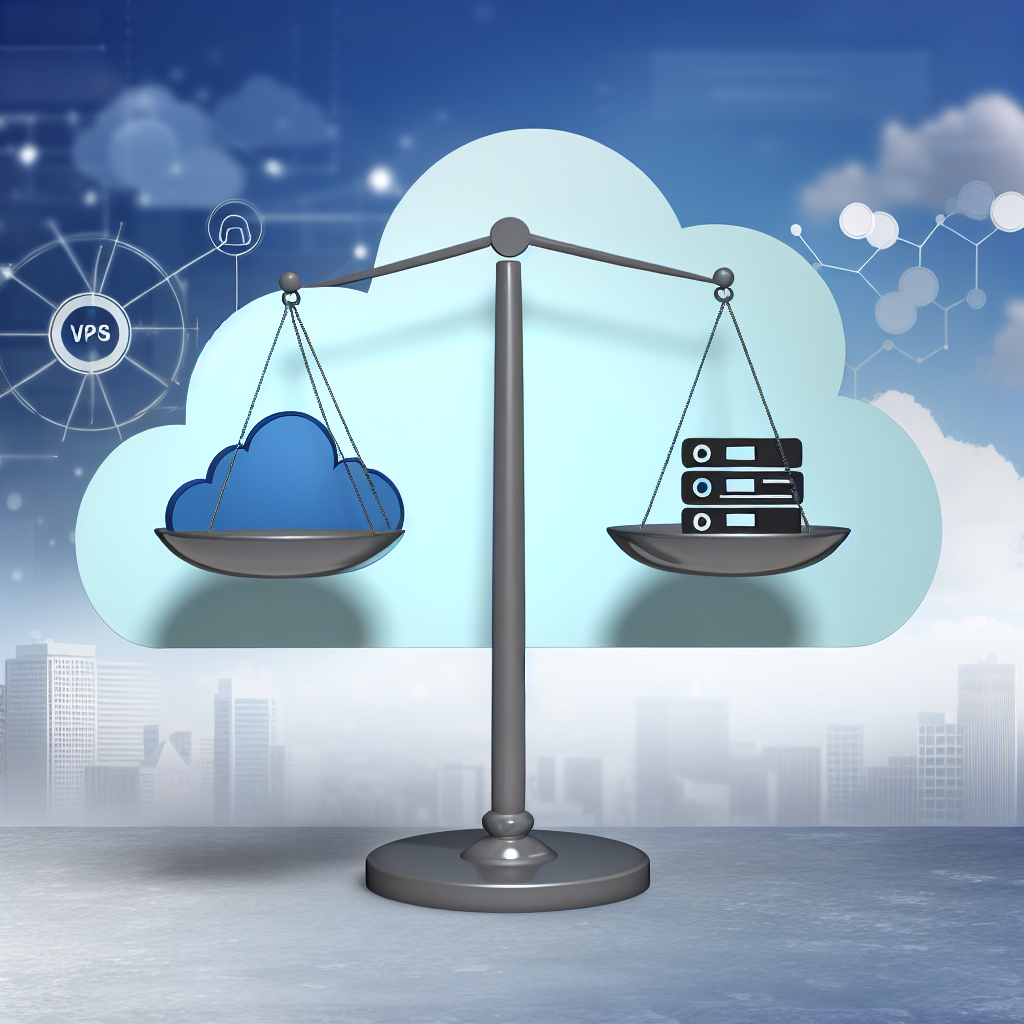
In today’s increasingly digital landscape, businesses are faced with myriad choices when it comes to hosting their applications and data. Two of the most popular solutions are Cloud Computing and Virtual Private Servers (VPS). While both offer distinct advantages in terms of scalability, performance, and cost-efficiency, the security implications of each are often a critical consideration for business leaders. This article delves into the security aspects of Cloud and VPS solutions, helping you make informed decisions for your organization’s needs.
Understanding Cloud Computing
Cloud computing refers to the use of remote servers hosted on the Internet to store, manage, and process data. Services like Amazon Web Services (AWS), Microsoft Azure, and Google Cloud Platform provide businesses with on-demand resources, allowing for rapid scaling and flexibility. Here’s how security works in the cloud:
Pros:
- Built-in Security Features: Major cloud providers typically offer robust built-in security features, including encryption, identity management, and comprehensive access controls.
- Regular Updates: Cloud providers are responsible for maintaining their infrastructure, ensuring that security patches and updates are regularly applied to protect against vulnerabilities.
- Disaster Recovery: With data often replicated across multiple locations, cloud hosting can offer superior disaster recovery capabilities, ensuring business continuity.
Cons:
- Shared Responsibility Model: While cloud providers secure the infrastructure, businesses must manage the security of their applications and data. Misconfigurations can lead to vulnerabilities.
- Data Privacy Concerns: Sensitive data may be stored off-site, leading to concerns about compliance with data protection regulations like GDPR or HIPAA.
- Vendor Lock-in: Migrating data and applications from one cloud provider to another can be complex and introduce security risks.
Understanding VPS hosting
VPS hosting, on the other hand, involves a single physical server divided into multiple virtual servers. Each VPS acts as an independent server, providing more control and dedicated resources than shared hosting solutions.
Pros:
- Control and Customization: With a VPS, businesses have complete control over their server environment, allowing for tailored security configurations to meet specific needs.
- Isolation: Each VPS is separated from others on the same physical server, which reduces the risk of one compromised instance affecting others.
- Predictable performance: The dedicated resources provided by a VPS can offer more stable performance, which is crucial for businesses requiring consistent uptime.
Cons:
- User Responsibility: Unlike cloud solutions where much of the infrastructure management is handled by the provider, VPS users bear the responsibility for server maintenance, security updates, and configurations.
- Limited Built-in Security: While VPS providers may offer basic security features, these often require manual implementation and management by the user.
- Single Point of Failure: If the physical server experiences an issue, all VPS instances on that server might be affected, potentially leading to outages.
Security Implications: A Comparative Analysis
When considering the security implications of Cloud vs. VPS, businesses should weigh multiple factors:
1. Risk Management:
- Cloud: With a dedicated team handling security at the provider level, many organizations find that cloud solutions can significantly mitigate risks associated with physical hardware failures or data breaches.
- VPS: Custom configurations provide control but require a knowledgeable team to manage security effectively.
2. Compliance:
- Cloud: Many cloud providers are compliant with numerous international standards (ISO, PCI-DSS), which can aid businesses in adhering to regulatory requirements.
- VPS: Compliance depends heavily on the business’s ability to enforce security measures, which means that small businesses may struggle to meet certain regulatory demands.
3. Cost:
- While cloud services can appear more cost-effective due to their pay-as-you-go models, businesses may incur higher costs from security breaches or downtime.
- VPS is often cheaper in the long run, but it requires capital investment in expertise and management.
Conclusion
In summary, the choice between Cloud and VPS hosting goes beyond mere functionality; it hinges on understanding the security implications each option presents for your business. While cloud computing offers comprehensive built-in security features and ease of scaling, VPS provides greater control and customization at a potentially lower cost.
Businesses must assess their specific needs, security priorities, and resources before making a decision. Engaging with a trusted IT partner, like DJ Technologies, can also streamline the decision-making process and ensure that your business is adequately protected in today’s digital environment.
As you plan your organization’s future, consider the security implications of your hosting solutions carefully, and choose a path that aligns best with your strategic goals.
For more information on securing your digital assets, contact DJ Technologies today!
Leave a Reply