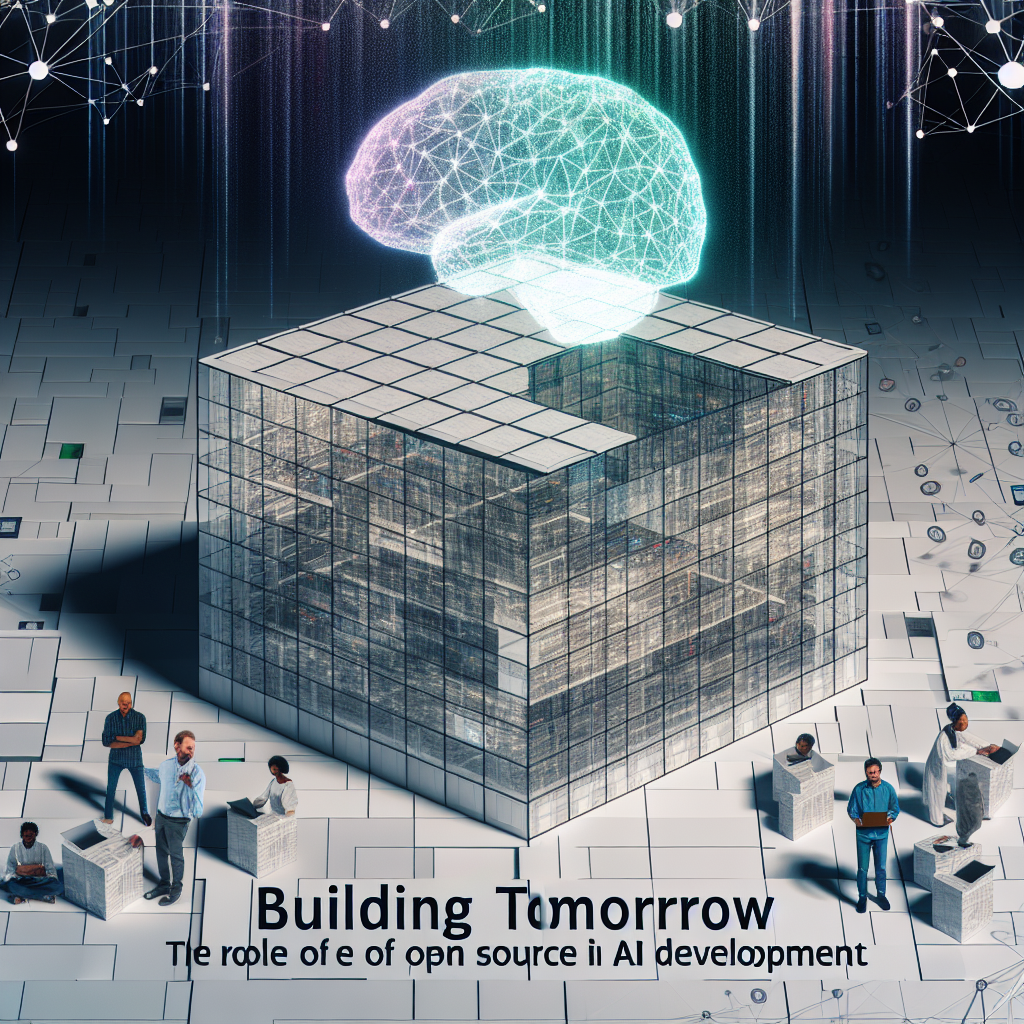
Introduction
As we step into an era increasingly defined by technology, artificial intelligence (AI) stands at the forefront of innovation. From autonomous vehicles to personalized healthcare, AI’s potential is boundless. Yet, the path to realizing these advancements relies heavily on collaboration and transparency, and this is where open source software comes into play.
The Essence of Open Source
Open source refers to software whose source code is made available for anyone to view, modify, and distribute. This model promotes collective innovation, allowing developers worldwide to contribute to projects, enhance features, and refine algorithms. Within the AI landscape, this collaborative spirit fosters rapid advancements and democratizes access to technology.
1. Accessibility and Collaboration
Open source AI frameworks like TensorFlow, PyTorch, and Keras enable researchers and developers, whether in established organizations or startups, to access powerful tools without prohibitive costs. This accessibility allows for a broader pool of talent to contribute, driving innovation from diverse perspectives. Collaboration fosters an environment where experimentation thrives, leading to groundbreaking discoveries and applications.
2. Transparency and Trust
Transparency is crucial in AI, especially as concerns about bias and ethical considerations become more pronounced. Open source projects allow users to inspect and understand the underlying algorithms, enhancing trust in AI systems. By making AI models open to scrutiny, developers can mitigate potential biases and improve fairness, accountability, and transparency in their applications.
3. Accelerated Innovation
The open source model promotes faster innovation cycles. With a community of contributors making continuous improvements, AI frameworks evolve rapidly. New algorithms, techniques, and tools emerge quickly, benefiting projects at all stages of development. The collective knowledge shared across the community accelerates the pace of research and implementation, allowing organizations to bring their AI solutions to market sooner.
4. Educational Opportunities
Open source projects provide invaluable resources for learning. Students, professionals, and enthusiasts can engage with real-world projects, gaining hands-on experience that is crucial for skill development. The vast array of open source documentation and tutorials further supports this growth, fostering a knowledgeable and skilled workforce ready to tackle the challenges of tomorrow.
Challenges and Considerations
While the benefits of open source in AI development are immense, challenges remain. Issues like maintaining quality control, managing contributions, and ensuring data security can pose risks. Moreover, the lack of centralized governance in some projects can lead to fragmentation.
Best Practices for Open Source AI Projects
To mitigate these challenges, it’s essential for open source AI projects to implement best practices. Establishing clear contribution guidelines, maintaining robust documentation, and fostering an inclusive community can ensure sustainable and productive development.
Conclusion
As we look toward the future, the role of open source in AI development becomes increasingly vital. By embracing collaboration, transparency, and collective innovation, we can harness the full potential of AI to build a better tomorrow. Open source not only transforms technology but also shapes the way we understand and interact with the world around us, paving the way for inclusive and equitable advancements in AI.
Leave a Reply