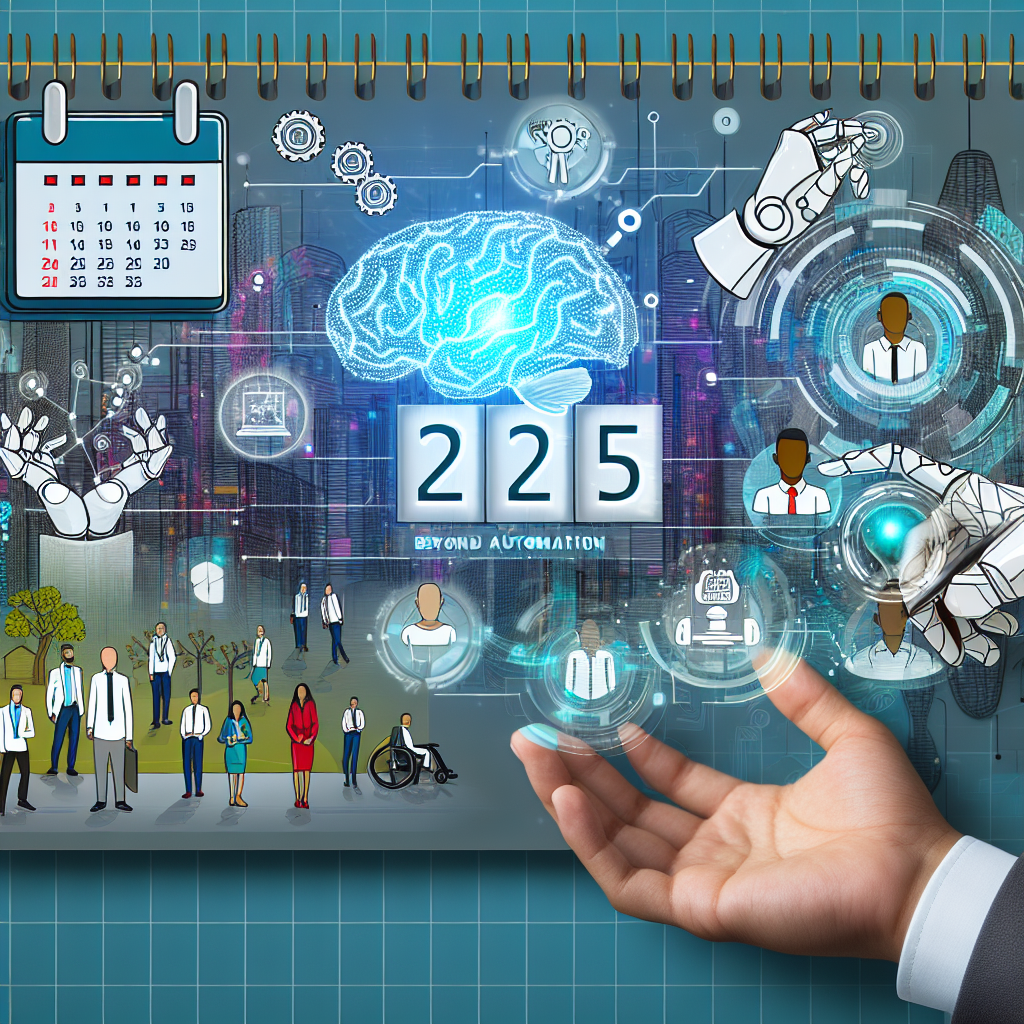
As we approach 2025, the integration of artificial intelligence (AI) into the workplace is no longer a distant reality; it is becoming an integral part of our daily operations. While automation has been the primary focus of AI applications, the potential of AI extends far beyond mere task completion. This article explores how AI will revolutionize the workforce landscape, shifting from automation to collaboration, innovation, and enhanced human capabilities.
The Shift from Automation to Augmentation
Traditionally, automation has been about replacing human roles with machines capable of performing repetitive tasks. However, the future of AI in the workforce lies in augmentation — enhancing human capabilities rather than replacing them. With AI assisting in decision making, data analysis, and even creative processes, employees will have more time to focus on strategic tasks that require human intuition and emotional intelligence.
Impacts on Workforce Dynamics
The relationship between humans and machines will evolve, resulting in diverse implications for workforce dynamics:
- Collaboration: AI tools will facilitate better collaboration among employees. For instance, AI-driven project management platforms can help streamline communication and foster teamwork.
- Upskilling: As AI takes over more mundane tasks, there will be a growing demand for new skills. Organizations will need to invest in training programs that help employees adapt to more complex roles.
- Diversity: AI can also help in reducing biases in recruitment processes, leading to a more diverse workforce that fosters innovation.
New Job Opportunities
While there are fears about job displacement due to automation, the emergence of AI will likely create more job opportunities than it eliminates. In fact, the World Economic Forum predicts that by 2025, 85 million jobs may be displaced, but 97 million new roles may emerge. These new roles will focus on:
- AI ethics and governance
- Data science and analytics
- AI system training and maintenance
- Creative and strategic positions that leverage AI tools
AI-Enhanced Workforce Well-being
The integration of AI also holds promise for improving employee well-being. AI can analyze workplace data to identify stress patterns or work-life balance issues, enabling organizations to implement targeted interventions. Additionally, AI-powered wellness programs could offer personalized recommendations based on individual health data.
Conclusion
As we head into 2025, AI will play a pivotal role in transforming the workforce. Moving beyond automation, AI will enhance human capabilities, create new job opportunities, and improve workplace well-being. To navigate this change successfully, organizations must adapt their strategies and invest in their workforce, ensuring that both humans and machines can work in harmony. The future workforce will not just be about technology but about how we leverage technology to empower individuals and redefine success in the workplace.
Leave a Reply