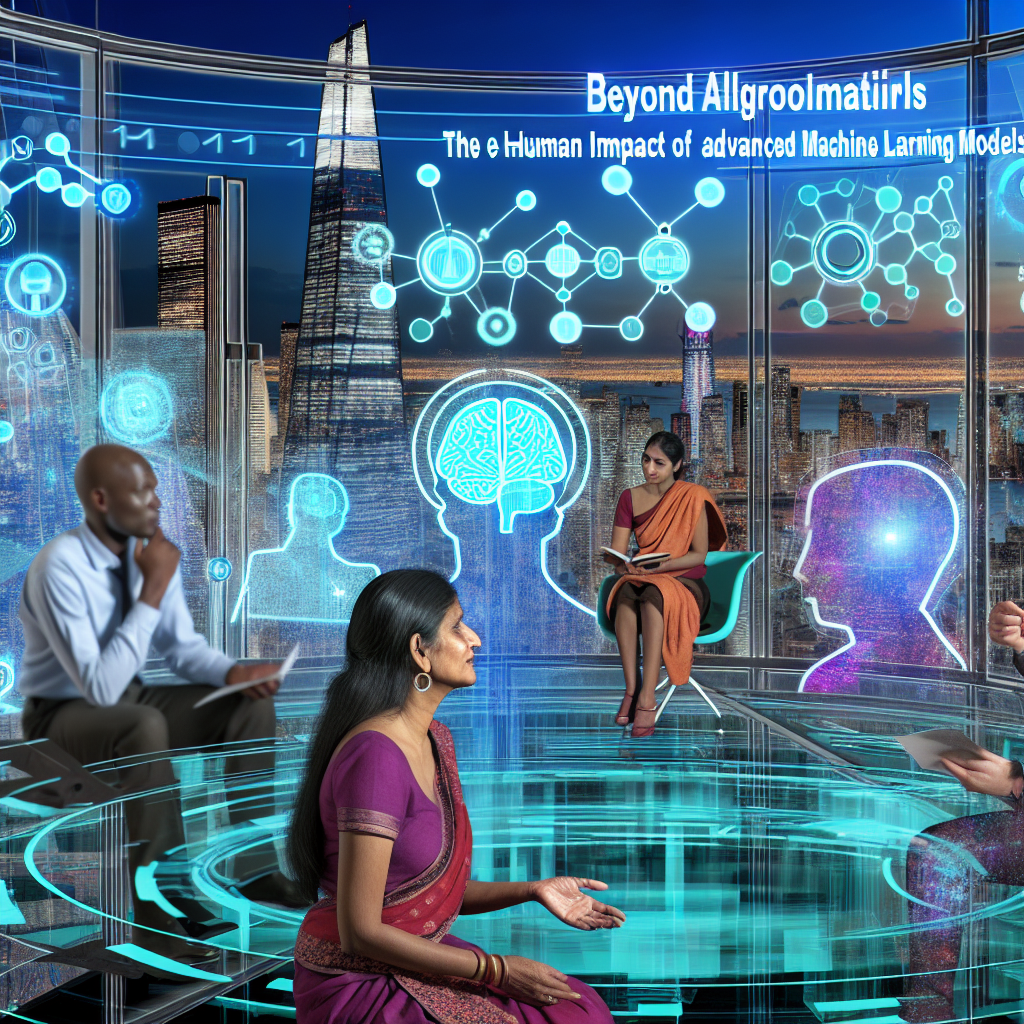
The evolution of machine learning models has reached unprecedented heights by 2025. As organizations increasingly integrate advanced algorithms into their operations, it’s crucial to examine the broader human impact of these technologies. Beyond the algorithms lies a fabric of ethical considerations, societal dynamics, and the very essence of how we interact with machines.
Transforming Industries
In 2025, machine learning is not merely a tool but a transformative force across several sectors:
- Healthcare: Advanced models analyze patient data to predict health outcomes, customize treatments, and revolutionize telemedicine.
- Finance: Predictive algorithms enhance risk assessment, fraud detection, and personalized banking experiences.
- Education: Adaptive learning platforms tailor educational content to individual student needs, fostering better engagement and outcomes.
The Ethical Landscape
As capabilities expand, so do ethical concerns. In 2025, a critical focus is on:
- Bias and Fairness: Addressing algorithmic biases to ensure equitable treatment across demographics.
- Privacy: Balancing data utilization with individuals’ rights to privacy and data protection.
- Transparency: Ensuring that machine learning operations remain interpretable and accountable to users.
The Future of Work
The integration of advanced machine learning models is reshaping the workforce landscape:
- Job Displacement: Automation threatens traditional roles, necessitating a shift in skills and employment strategies.
- Job Creation: New roles within data science, AI ethics, and machine learning engineering emerge, demanding a workforce adept in technology.
- Collaboration: The synergy between humans and machines leads to enhanced productivity and creativity, redefining job responsibilities.
Human-Centric AI
In 2025, the emphasis on human-centric AI designs is paramount. These designs prioritize:
- User Experience: Making AI systems intuitive and accessible for all users.
- Emotional Intelligence: Incorporating emotional context into interactions, making technology feel more relatable.
- Community Engagement: Encouraging participatory design processes where users influence AI outcomes.
Conclusion
The potential of advanced machine learning models in 2025 demystifies the technological landscape. The dialogue surrounding their human impact continues to evolve, confronting ethical, societal, and economic challenges. As we look ahead, a collaborative approach balancing innovation and humanity’s best interests will be paramount in harnessing the true power of these technologies.
Leave a Reply