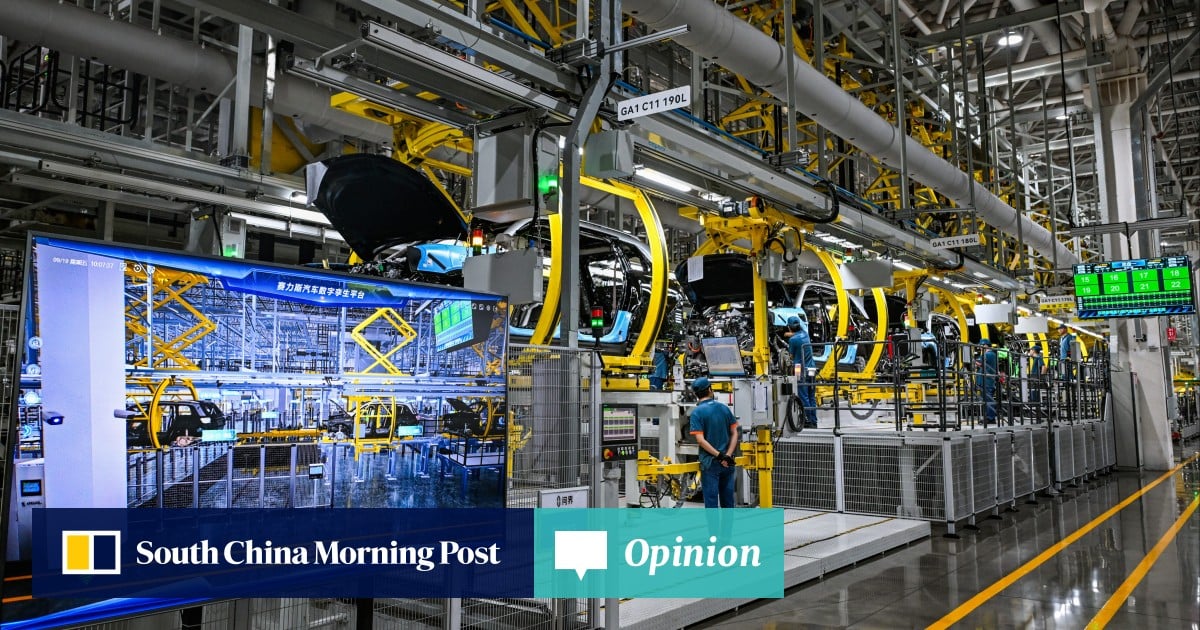
Western analysts often frame automation, artificial intelligence (AI) and robotics as an existential threat to workers, with the risk of impending unemployment potentially triggering economic unrest.
However, 74 per cent of all industrial robots deployed last year were in Asia, where they do not appear to be replacing workers but are instead redefining roles amid innovative modes for production and higher efficiency.
East Asia is not simply “mechanising”. It is building systems whereby technology, productivity and human capital are merging for a sustainable future.
Such automation is not limited to China’s high-end industries but encompasses sectors such as textiles and food processing – reducing labour strain and increasing efficiency, monitoring, logistics and supply chain management.
Leave a Reply