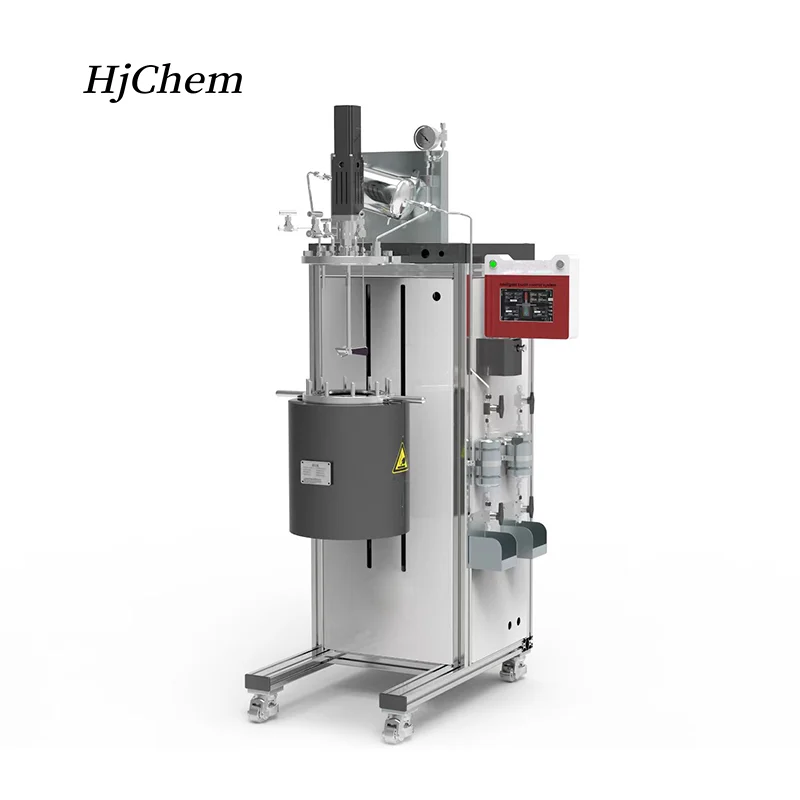
Introduction: Hydrogenation’s Essential Role in Pharmaceutical and Biotech Industries

Hydrogenation is an essential process in the chemical and pharmaceutical industries, enabling the modification of unsaturated organic molecules to produce stable, bioactive compounds. This reaction is pivotal for synthesizing key intermediates and active pharmaceutical ingredients (APIs), as well as producing biochemicals in various biotech applications. The field of hydrogenation technology has experienced significant advancements in recent years, particularly in reactor design, catalyst optimization, and the integration of sustainable practices. These innovations are revolutionizing the efficiency, precision, and environmental impact of hydrogenation processes in pharmaceutical and biotech production.
Recent Advances in Hydrogenation Reactor Design
1. Precision Temperature and Pressure Control
One of the most notable innovations in hydrogenation technology is the enhanced precision in temperature and pressure control. In industries where purity and yield are critical, such as pharmaceuticals and biotechnology, controlling these reaction parameters with high precision is paramount. Modern hydrogenation reactors now incorporate advanced control systems that allow real-time adjustments to temperature and pressure, ensuring optimal reaction conditions. This leads to improved product purity, higher yields, and minimal by-products, which are essential in pharmaceutical synthesis where stringent regulatory requirements must be met.
2. Catalyst Development and Selectivity Improvements
Catalysts are at the heart of any hydrogenation reaction, significantly influencing both the efficiency and selectivity of the process. Over the past few years, there have been remarkable advancements in catalyst design, resulting in catalysts that are not only more selective but also more stable and long-lasting. These improvements have a profound impact on the pharmaceutical and biotech industries, where the need for highly selective reactions to produce APIs and other fine chemicals is crucial. With more efficient catalysts, hydrogenation reactions can be conducted under milder conditions, reducing the need for costly and energy-intensive purification processes.
3. Adoption of Green Hydrogenation Technologies
As sustainability becomes an ever more important consideration in chemical manufacturing, the pharmaceutical and biotech industries are increasingly adopting green hydrogenation technologies. Green hydrogenation involves utilizing renewable hydrogen sources, such as those derived from wind or solar power, rather than traditional fossil-fuel-based hydrogen. This shift towards renewable energy sources significantly reduces the environmental footprint of hydrogenation processes. Modern hydrogenation reactors designed for green hydrogenation are playing a critical role in helping companies meet sustainability goals while maintaining high levels of efficiency and product quality.
Hydrogenation in Pharmaceutical Applications
1. Hydrogenation for API Synthesis
Active Pharmaceutical Ingredients (APIs) are the building blocks of drugs, and hydrogenation is an indispensable process in their synthesis. Hydrogenation reactions are used to reduce unsaturated functional groups, such as carbon-carbon double bonds, within organic molecules to generate stable, bioactive compounds. For instance, hydrogenation is frequently employed to prepare intermediates for the synthesis of complex molecules with high bioactivity. By utilizing advanced hydrogenation reactors with precise control over reaction conditions, pharmaceutical manufacturers can ensure consistent production of high-quality APIs, with minimal contaminants and high reproducibility.
2. Steroid Synthesis through Hydrogenation
Hydrogenation also plays a key role in the synthesis of steroid-based drugs, such as hormones and anti-inflammatory medications. Steroids often require hydrogenation to saturate specific carbon-carbon double bonds in their molecular structure, which leads to the formation of derivatives with enhanced stability and bioactivity. The design of hydrogenation reactors that can carefully control these sensitive reactions is critical for producing steroid-based pharmaceuticals with the required purity and efficacy.
Hydrogenation in Biotech Applications
1. Hydrogenation in Biochemical Production
Hydrogenation processes are widely used in the production of various biochemicals, including biofuels, enzymes, and specialty chemicals. In the biotechnology sector, hydrogenation reactions are essential for modifying complex organic molecules to improve their stability, solubility, and bioavailability. The growing demand for biochemicals derived from renewable sources makes efficient hydrogenation technologies even more important. Biotech companies rely on hydrogenation reactors that can operate under optimal conditions to produce these valuable compounds at large scale, often in a cost-effective and environmentally friendly manner.
2. Hydrogenation in Vaccine Development
In the biotechnology sector, hydrogenation is also important for producing certain lipid-based molecules used in vaccines. These molecules often require hydrogenation to enhance their stability and effectiveness as part of the final vaccine formulation. The precision offered by modern hydrogenation reactors allows for controlled modifications of these sensitive compounds, ensuring that they perform optimally when used in vaccine production.
Future Trends in Hydrogenation Technology
The future of hydrogenation technology looks promising, with several emerging trends that will likely shape the direction of this field:
1. Automation and Real-Time Control
The integration of automation and artificial intelligence (AI) in hydrogenation reactors is expected to become more prevalent. Automated systems that can monitor and adjust reaction parameters in real-time offer the potential to optimize processes continuously, resulting in higher yields and reduced energy consumption. These systems can adapt to variations in feedstock or process conditions, further improving the consistency and efficiency of hydrogenation reactions.
2. Integration with Sustainable Chemical Manufacturing
Hydrogenation reactors are increasingly being integrated with other chemical processes in a bid to reduce production steps and increase overall efficiency. This integration will make hydrogenation processes even more streamlined, enabling the production of complex pharmaceutical and biotech compounds with fewer steps, less energy, and lower costs. Additionally, the continued development of catalysts that function efficiently under milder conditions will contribute to the overall sustainability of hydrogenation reactions.
3. Enhanced Focus on Green Chemistry
As environmental concerns continue to influence industry practices, the adoption of green chemistry principles will guide the development of hydrogenation technologies. In particular, researchers are focused on improving the energy efficiency of hydrogenation reactions, minimizing waste, and utilizing renewable feedstocks. The ongoing shift toward green hydrogenation processes will ensure that these reactions become even more sustainable in the coming years.
Conclusion: The Continuing Evolution of Hydrogenation Technology
The advancements in hydrogenation technology are reshaping the pharmaceutical and biotech industries, improving both the efficiency and sustainability of production processes. From precise reactor control to the development of green hydrogenation techniques, innovations are driving improvements in product quality, environmental impact, and cost-effectiveness. As these industries continue to evolve, hydrogenation will remain a cornerstone technology for the production of essential compounds.
For researchers and manufacturers seeking to explore the latest developments in hydrogenation technology, it is important to keep abreast of the innovations in reactor design and catalyst optimization. Modern hydrogenation reactors, which offer advanced control over reaction conditions, are critical tools for achieving these goals.
Leave a Reply