- The Brazil Restoration and Bioeconomy Finance Coalition (BRB FC), an alliance of NGOs, funders and financial institutions, aims to mobilize $10 billion by 2030 to support Indigenous and traditional communities-led enterprises.
- By supporting these initiatives, BRB FC and other projects seek to help communities restore millions of hectares of degraded land in the Amazon rainforest, the Cerrado savanna, the semiarid Caatinga, and the Atlantic Forest.
- Existing conventional financial systems often exclude grassroots initiatives due to rigid, centralized requirements that clash with local governance and realities.
- With the shift championed by BRB FC, proponents say low-bureaucracy funding models can effectively reach and empower forest-based communities while supporting the bioeconomy.
From the Amazon Rainforest to the Cerrado savanna, enterprises led by Indigenous and traditional communities play a vital role in protecting forests and restoring degraded Brazilian landscapes. At the same time, they provide an important source of income for marginalized groups, strengthening Brazil’s bioeconomy environment.
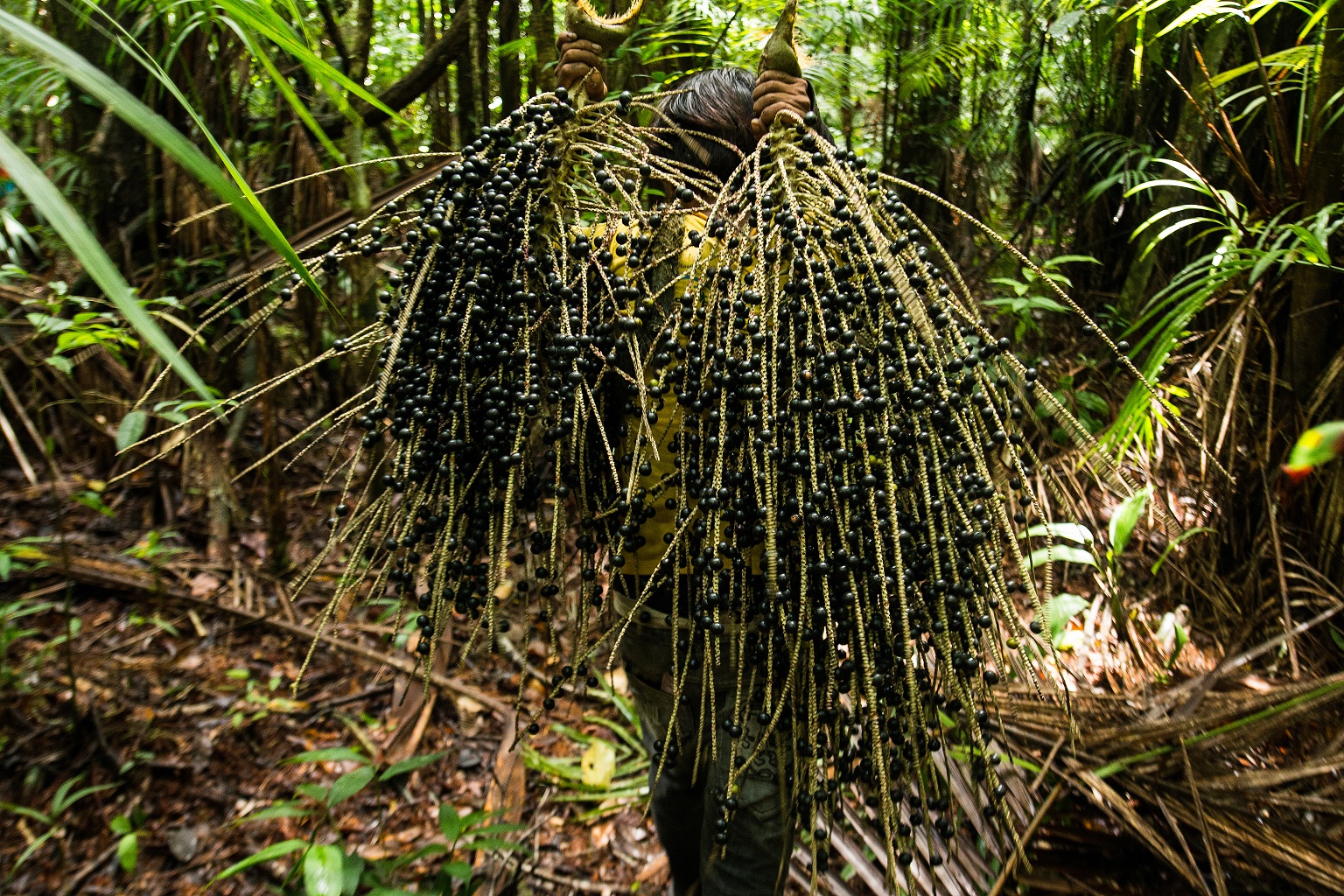
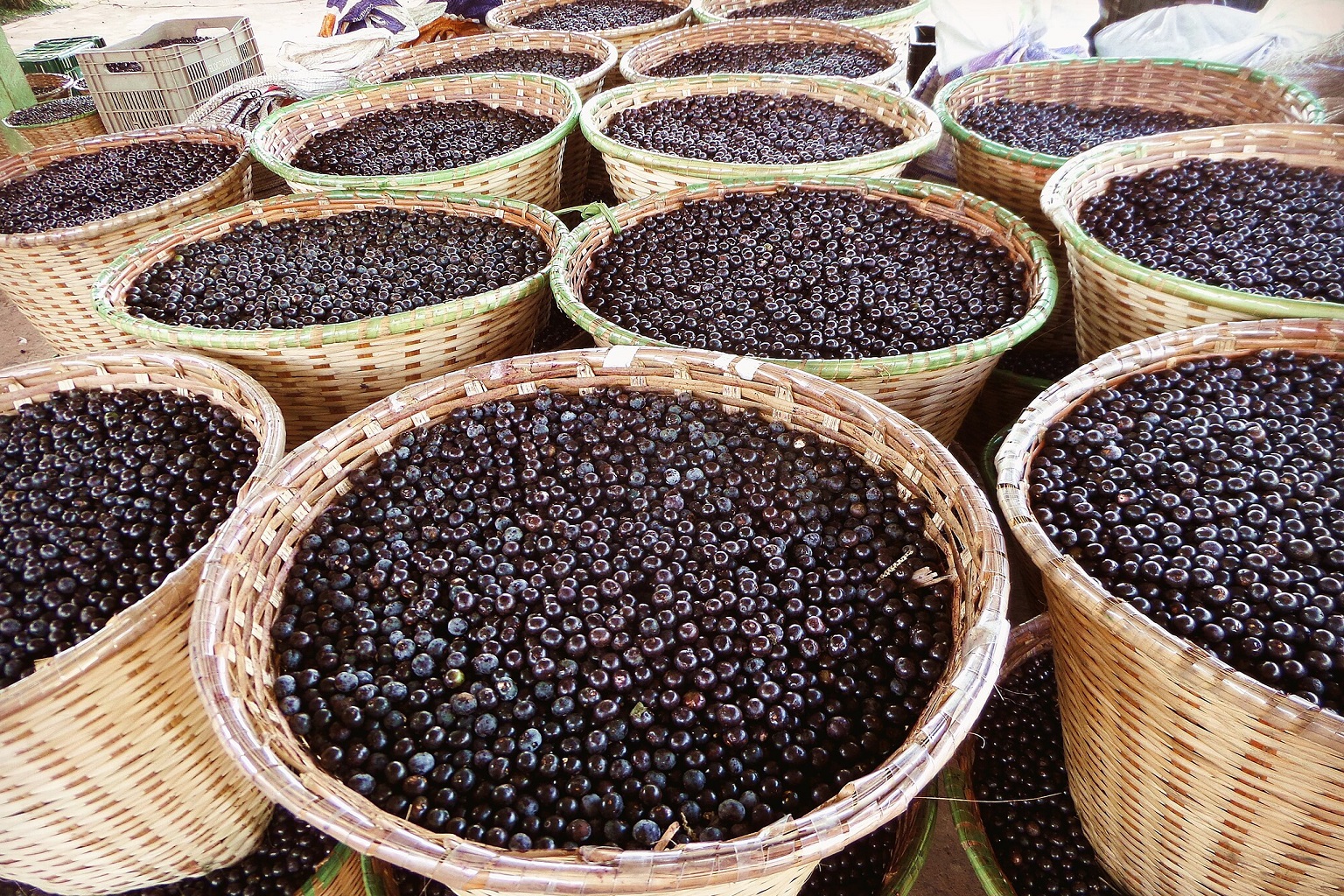
Sustainable forest-based businesses include the harvesting of açaí berries (Euterpe oleracea) and Brazil nuts (Bertholletia excelsa), and the production of andiroba oil (Carapa guianensis). They also cover agroecological and agroforestry farming, community-based ecotourism, restoration and reforestation services, and the production of cultural goods such as artisanal crafts. Some of these projects even create community-level financial mechanisms, like cooperative banks.
Yet many setbacks prevent them from scaling up. Problems range from initiatives not being formally recognized as businesses by conventional financial institutions, to barriers to accessing Brazilian administrative and regulatory infrastructure — such as registration systems, licensing and operational support, all needed to establish and run a business.
“One of the main challenges faced by Indigenous peoples and traditional communities lies in how most financing mechanisms are structured,” Rose Apurinã, deputy director of Podáali, an Indigenous-run fund for the Brazilian Amazon, told Mongabay. “They are based on external, colonial and centralized logics that disregard these peoples’ own forms of social organization.”
She added, “The majority of grant opportunities and funding sources impose technical, bureaucratic and institutional barriers that make it difficult — or even impossible — for people in the territories to access resources directly.”
In that regard, in 2024 an alliance of funders, financial institutions, NGOs and community organizations came together to establish the Brazil Restoration and Bioeconomy Finance Coalition (BRB FC). The group works to make capital more accessible to enterprises led by Indigenous and traditional peoples, including quilombolas (residents of quilombos, Afro-Brazilian communities originally formed by runaway enslaved people) and others. The coalition aims to shift how the financial system perceives and supports these businesses, recognizing them not only as key players in Brazil’s bioeconomy but also as stewards of sociobiodiversity and frontline defenders of the climate and environment.
The BRB FC also seeks to mobilize $10 billion by 2030 to protect and restore up to 5.5 million hectares (13.5 million acres) of land within the Amazon Rainforest, the Cerrado savanna, the semiarid Caatinga, and the Atlantic Forest. This includes investing $500 million in Indigenous and traditional-led businesses to help assemble a forest-based economy from the ground up.
The coalition’s members include 22 organizations from the public and private sectors, philanthropies and civil society groups. Among them are state-controlled Banco do Brasil, the World Economic Forum and the World Bank.
“Brazil has unique potential in restoration,” said Maria Netto Schneider, a director at the Climate and Society Institute, or iCS, a core member of BRB FC. “There are at least 100 million hectares [about 250 million acres] of degraded land that could be restored. And we have massive bioeconomy potential, a way to value standing forests while generating income and building local value chains.”
Building grassroots resilience
Supporting these actions is seen by experts as a critical strategy for both forest conservation and social equity. According to Fabíola Zerbini, executive director of Conexsus, a nonprofit entity that supports community-led sustainable businesses and bioeconomies across forest and rural regions, these communities, including smallholders living in land reform settlements (organized communities of landless families given plots by the government), occupy more than half of the remaining forest cover in the Amazon.
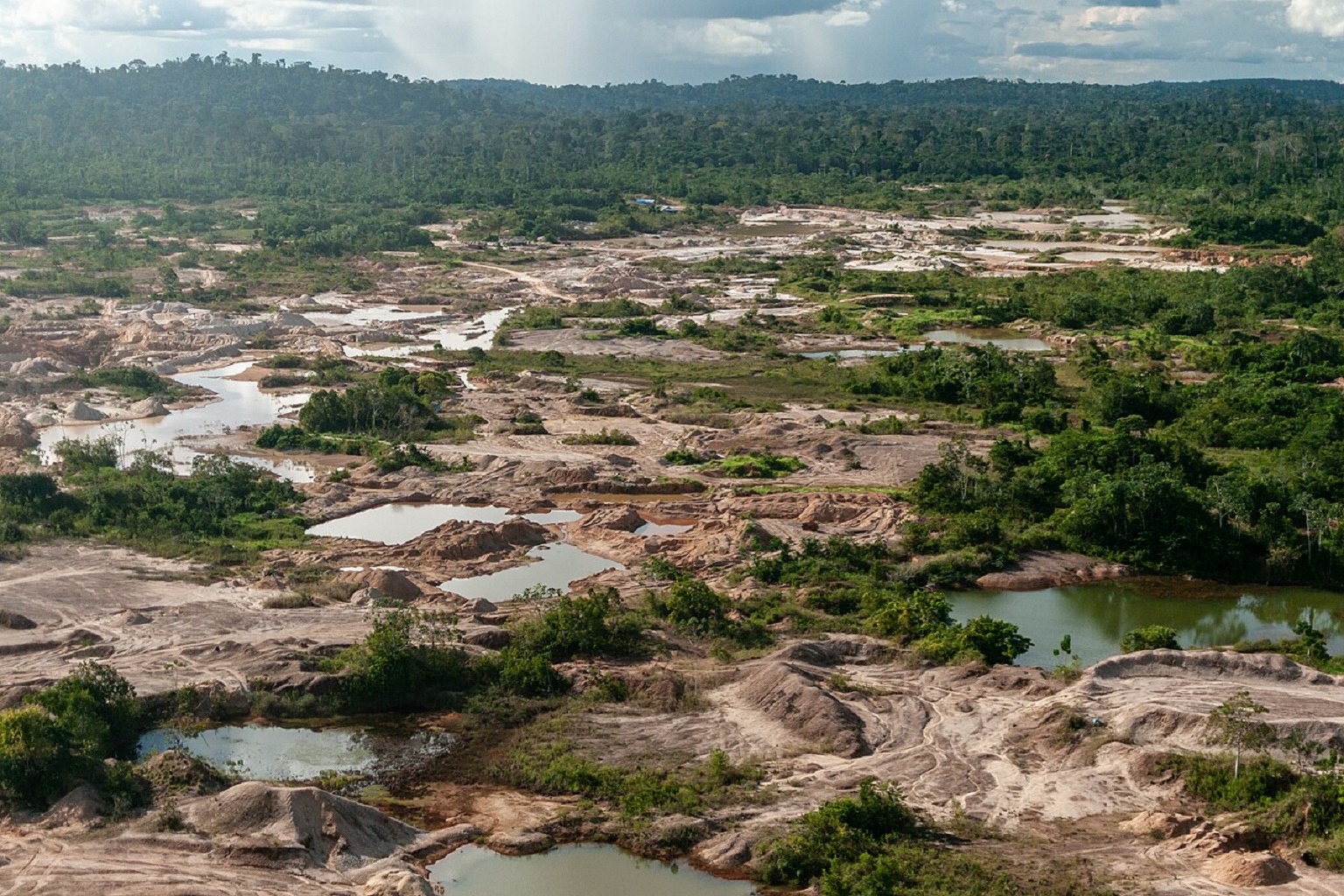
Yet they often face land invasions and degradation from outside actors, in the form of illegal mining and logging operations, putting their territories and livelihoods at risk. To Zerbini, strengthening community-led enterprises helps boost their resilience while also protecting the vital ecosystems on which they depend.
“It’s about redistributing wealth and income while ensuring that these communities can remain on their land, care for it and protect it,” she said.
To guide its investment strategy, the coalition commissioned a comprehensive study mapping 37 initiatives, community funds and organizations. Of the mapped organizations, 21 function under Indigenous or traditional peoples’ management, six are community funds, and 10 are support entities such as nonprofits, cooperatives and other organizations that provide technical assistance.
This targeted approach allows the coalition to identify high-potential actors and channels where investments can have the greatest impact in strengthening local economies and conserving ecosystems. The report, led by The Nature Conservancy and iCS, highlights key players across Brazil’s diverse biomes, with a particular focus on the Amazon, an area critical for global climate stability and biodiversity.
“Indigenous lands, quilombola territories, and protected areas play a fundamental role in carbon capture,” according to the report. “Many organizations and enterprises consulted for this mapping reported involvement in reforestation projects in degraded areas, further increasing levels of carbon capture.”
These enterprises are based in territories that contribute to climate resilience, such as Indigenous lands, quilombos and protected areas. Forests managed by these groups can sequester up to 2 metric tons of CO2 per hectare yearly. With 73% of Brazil’s emissions tied to land-use change, supporting these actors has both a climate and social aspect, experts say.
“These communities aren’t just guardians of the forest,” Cristina Orpheo, executive director of Fundo Casa Socioambiental, a grant-making organization supporting community-led conservation, told Mongabay. “They are central players in seed supply chains and local economies. Investing in them isn’t charity — it’s essential.”
The financial barriers
Efforts by Indigenous and traditional groups, however, still face major barriers to financial access.
Restoration projects may span years, while potential investors often perceive this as a high-risk investment. Schneider, from iCS, noted that financial instruments are also rarely designed with the needs of remote, small-scale organizations in mind. Furthermore, besides financing, projects require wider infrastructure, such as governance and business capacity, as well as bureaucracy.
“Grant calls, credit programs and public policies demand documents, certifications and reporting formats that simply don’t align with grassroots realities,” Orpheo said.
She added that many initiatives lack formal legal status or land titles, excluding them from most credit lines. Highly technical language and digital-only application systems also block access. “These are processes designed for large institutions, not those working in the territories.”
Local funding outside of conventional financial models already exists on a small scale. Podáali, the Indigenous-run fund, is an example: Established by and for Indigenous peoples through the Coordination of Indigenous Organizations of the Brazilian Amazon (COIAB), Podáali provides direct, low-bureaucracy funding to Indigenous communities. Unlike many traditional funding mechanisms, it’s built from the territory outward, prioritizing listening, collective decision-making, and respect for Indigenous autonomy, according to Apurinã, the fund’s deputy director.
“I believe the most effective support is the kind that values and respects the autonomy of Indigenous peoples and traditional communities, by funding their own mechanisms of organization and management, in alignment with their diverse worldviews and realities,” she said. “It is essential that this support be flexible, decentralized, and built through listening and dialogue with their grassroots organizations.”
While small in scale, Podáali represents the kind of locally rooted solution that BRB FC seeks to support by addressing structural barriers and unlocking larger flows of finance.
Fundo Casa Socioambiental is another example of a local organization that supports restoration, sustainable value chains, and climate adaptation across all biomes, distributing more than 2 million reais ($377,000) annually to grassroots initiatives. Its calls for proposals use accessible language, and it offers technical support.
“We’re showing that it is possible to fund local solutions and ensure resources land where they’re most needed,” Orpheo said. Since its founding in 2005, Fundo Casa has backed more than 4,500 initiatives and distributed 160 million reais ($30 million). In 2025 alone, it supported 418 projects.
BRB FC works to unlock and scale financing, so that funds from organizations like Podáali and Fundo Casa Socioambiental can flow more efficiently and directly to Indigenous and traditional communities.
“Many Indigenous and local communities don’t even have legal status to access loans,” Schneider said. “That doesn’t mean they aren’t good borrowers. It means the system isn’t built for them.”
The report highlights several initiatives. In Amazonas state, the ASPACS association representing ribeirinho (riverside populations) and Indigenous producers operates across extractive reserves and Indigenous territories, supplying sustainably harvested oils and seeds to Natura, a major Brazilian company in the personal care sector. In the Rio Negro region, the Fundo Indígena do Rio Negro (RNIF) supports forest management, agroforestry and legal training, with plans to raise 1 million reais ($189,000).
In addition to the challenges of accessing conventional financial services, many communities are facing the impacts of climate change. Of the 21 enterprises surveyed, 18 reported being affected by severe droughts, with others citing floods and water scarcity. Others also face direct territorial threats, including illegal invasions, intimidation by land invaders, and criminal fires.
“There is no climate justice without territorial justice,” Orpheo said. “That means recognizing, valuing and financing those already doing, with resilience and wisdom, what many only debate on paper.”

Supporting forest conservation
This push comes amid renewed government commitment to ending deforestation by 2030 under Brazilian President Luiz Inácio Lula da Silva. The reboot of the Amazon deforestation control plan (PPCDAm) includes support for sustainable economies led by Indigenous and traditional communities.
In November, Brazil officially launched the Tropical Forest Finance Facility (TFFF) at COP30, a market-based forest fund that plans to reward states and investors in exchange for tropical forest preservation.
However, Orpheo said that while policy frameworks are improving, implementation gaps remain.
“Even when government-backed credit exists, it’s not reaching communities. We need more funds, more partners, and greater political boldness to scale what already works,” she said.
As for Schneider, unlocking nature-based solutions will require tailored financial tools, stronger governance, and a mindset shift. Community enterprises already operate in regions critical for climate mitigation. What they need are tools adapted to their context, she said: “Flexible finance, capacity-building, and buffers for disruption.”
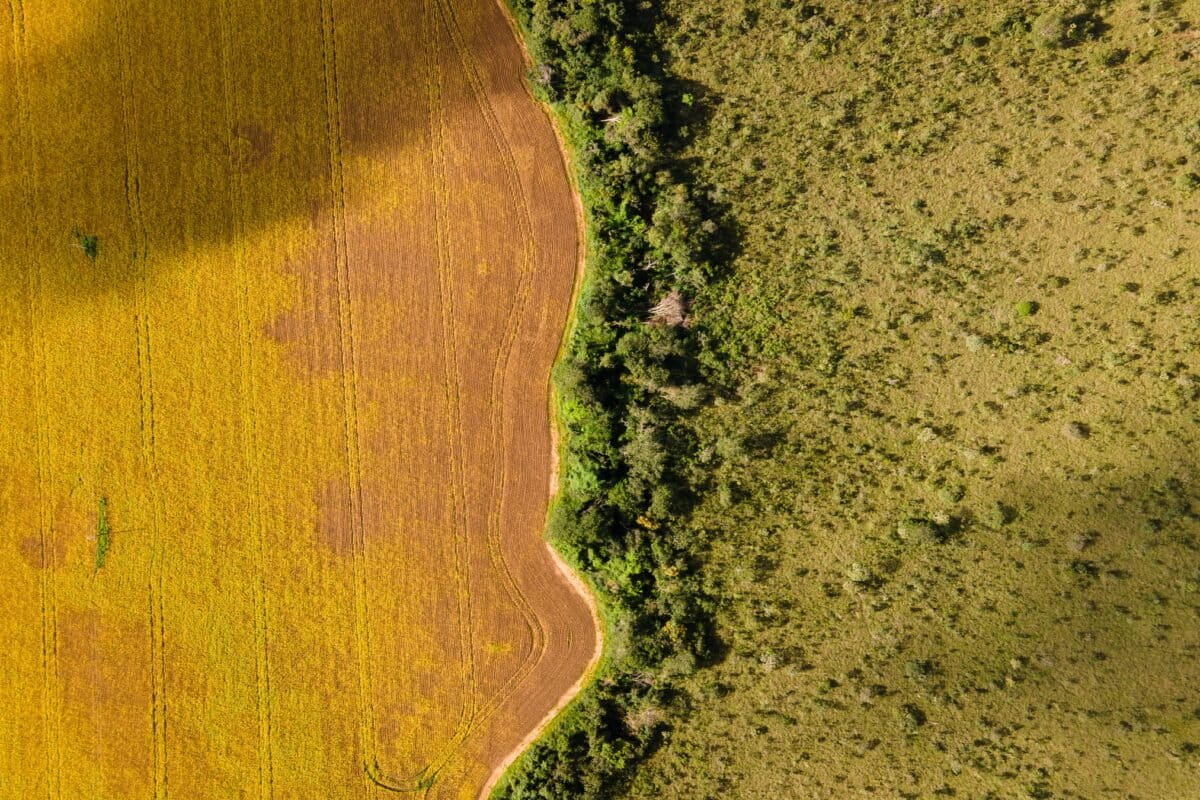
Banner image: A soy plantation borders native Cerrado vegetation, highlighting pressures on Brazil’s ecosystems and the need for community-led bioeconomy alternatives. Image © Caio Paganotti/Greenpeace.
Amazon jambu blends tradition and science for numbing flavors and healthcare
FEEDBACK: Use this form to send a message to the author of this post. If you want to post a public comment, you can do that at the bottom of the page.

Leave a Reply