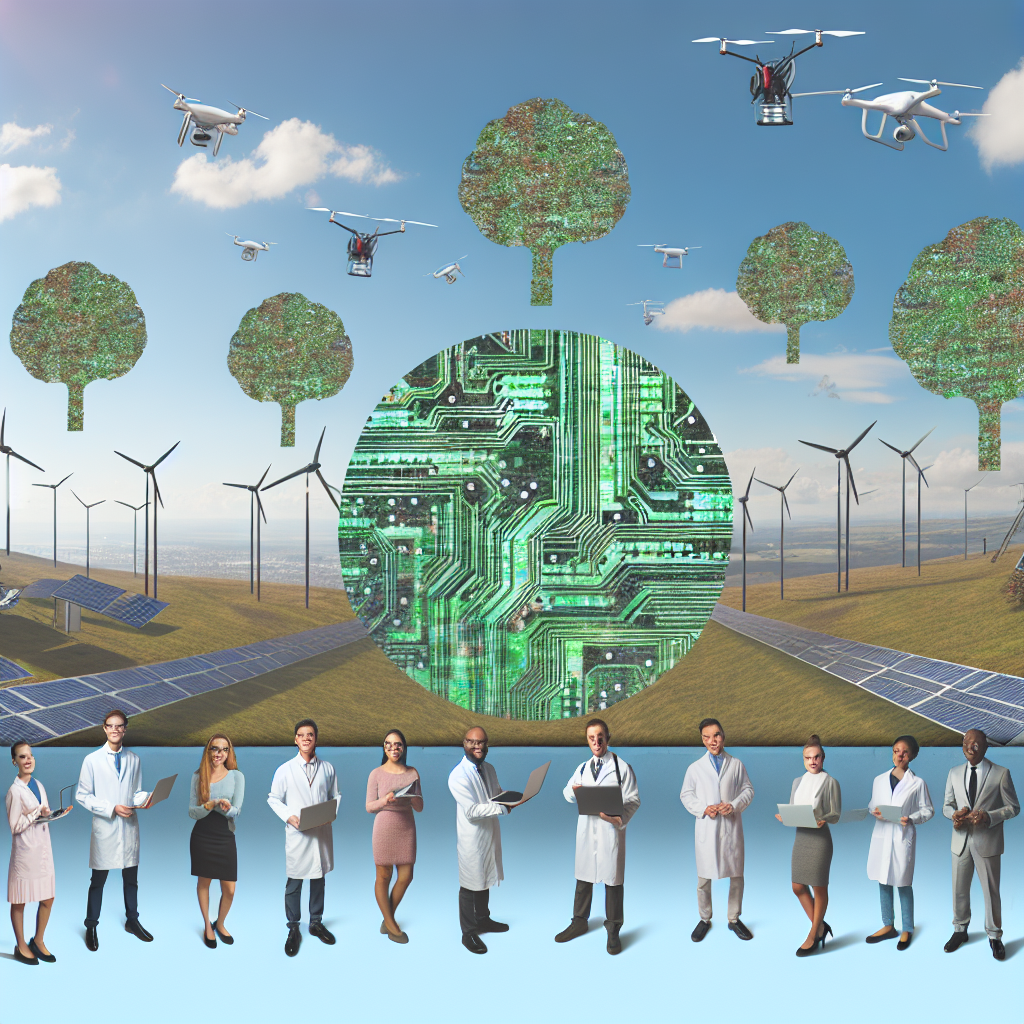
The integration of artificial intelligence (AI) in various sectors has revolutionized our approach to tackling some of the most pressing issues of our time, especially climate change. By 2025, AI technologies are playing a crucial role in combating environmental challenges, enabling innovative solutions that aim to reduce carbon footprints, optimize resource management, and enhance climate resilience.
1. Predictive Analytics for Climate Patterns
One of the significant advancements facilitated by AI is the ability to analyze vast datasets for predicting climate patterns. Machine learning algorithms can process information from satellite imagery, weather stations, and historical data to make accurate forecasts about climate-related events. This predictive capability allows governments and organizations to better prepare for natural disasters and adapt their policies accordingly.
2. Smart Agriculture
AI technologies are transforming agriculture into a more sustainable industry capable of feeding the growing global population while minimizing environmental impact. In 2025, farmers increasingly rely on AI-driven tools such as precision farming, which employs sensors and drones to monitor crops and soil conditions. These technologies optimize water usage, decrease chemical inputs, and improve yields, all while reducing the overall carbon footprint of agricultural practices.
3. Renewable Energy Optimization
The shift towards renewable energy sources has been significantly bolstered by AI. In 2025, AI systems enhance the efficiency of wind turbines and solar panels by predicting energy production and consumption patterns. Smart grids powered by AI algorithms manage energy distribution in real-time, reducing waste and enabling a more sustainable energy ecosystem.
4. Carbon Capture and Storage
AI is also a key player in advancing carbon capture and storage (CCS) technologies. By optimizing the processes involved in capturing carbon dioxide from the atmosphere, AI can make CCS more efficient and cost-effective. Data analytics allows for better site selection and monitoring of storage facilities, ensuring that captured carbon remains safely stored.
5. Enhanced Transportation Solutions
In the transportation sector, AI is instrumental in developing electric and autonomous vehicles that promise to reduce greenhouse gas emissions significantly. In 2025, cities are embracing AI-based traffic management systems that optimize traffic flow, reducing congestion and emissions from traditional combustion-engine vehicles.
6. Climate Policy and Decision-Making
Effective climate policy is pivotal in steering the world towards a sustainable future. AI tools provide valuable insights and simulations that help policymakers understand the potential impacts of their decisions. In 2025, AI-driven platforms facilitate collaboration among stakeholders, ensuring that environmental considerations are integrated into economic development plans.
Leave a Reply