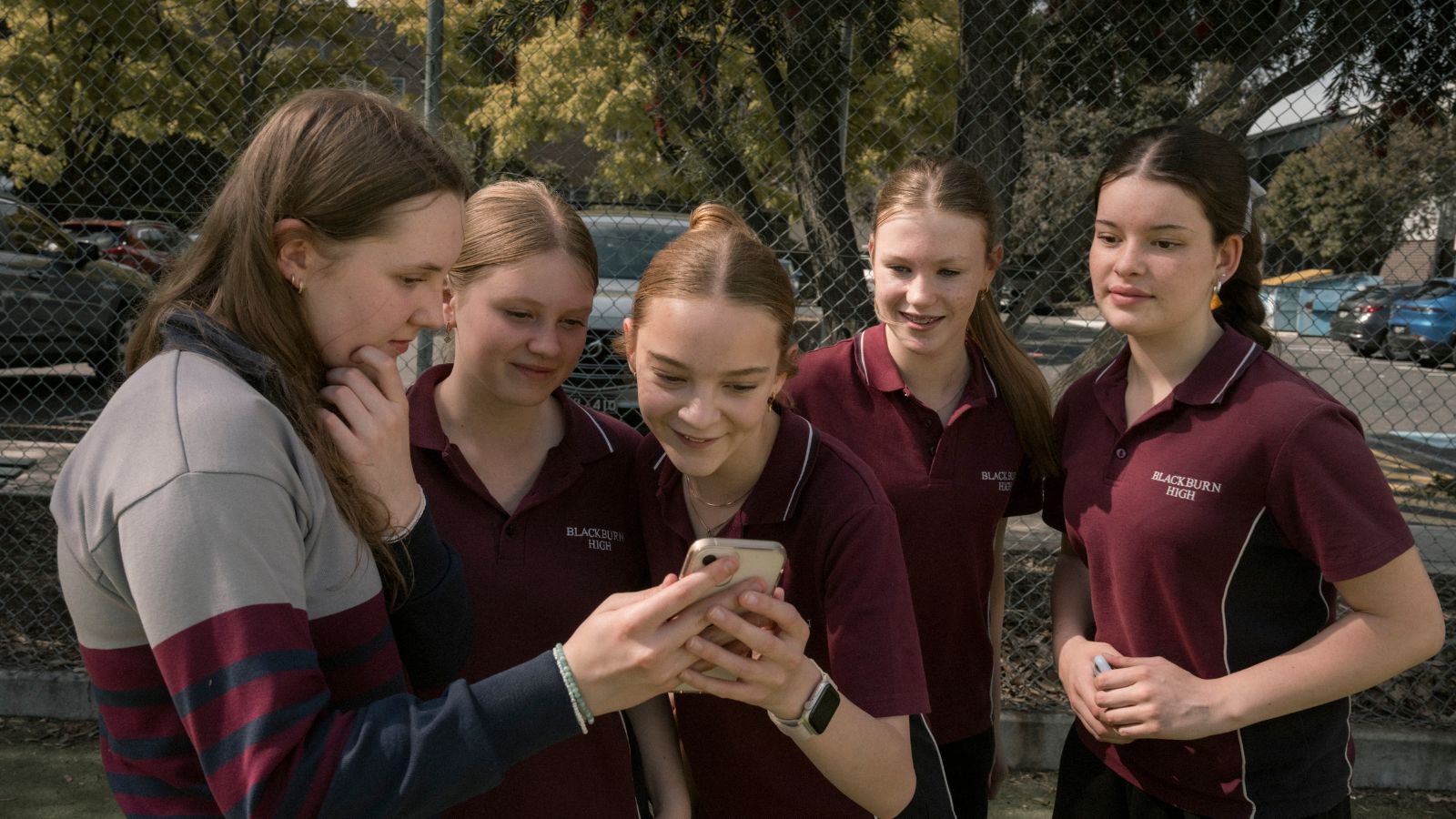
A new Australian law that bars children under 16 from having social media accounts on platforms such as Instagram, TikTok, and YouTube, takes effect on December 10. In the weeks leading up to the deadline, tech giants such as Meta began locking out hundreds of thousands of under-16 users from their accounts on its platforms.
The social media ban stems from the Online Safety Amendment (Social Media Minimum Age) Bill, 2024, that was passed by the Australian Parliament exactly a year ago. Rather than placing the burden on children or their parents, the law shifts compliance to social media companies who initially campaigned against the ban but have since said they will adhere to it. It also carries a fine of up to A$49.5 million ($33 million) for companies that do not comply with the ban.

Meta’s Instagram, Facebook, and Threads began deactivating accounts from Thursday, December 4, according to a report by Reuters. Other platforms that fall in the scope of the ban have notified underage users, urging them to download their photos and contacts before the deadline kicks in and their accounts are deleted. Users are also reportedly being offered the choice to freeze their accounts until they turn 16.
The implementation and effectiveness of Australia’s social media ban will be closely watched among parents, researchers, lawmakers, and government officials around the world, including India. Denmark, the European Union (EU), and Malaysia are reportedly planning to impose similar restrictions, and Australia’s experience may provide a legislative template for authorities in these countries.
Calling it the first domino to fall in the global effort to rein in big tech, Julie Inman Grant, the commissioner of eSafety, Australia’s internet regulator, said, “Our data is the currency that fuels these companies, and there are these powerful, harmful, deceptive design features that even adults are powerless to fight against. What chance do our children have?”
Here are 5 important things to know about Australia’s teen social media ban.
1. It is aimed at shielding children from social media risks.
Over 96 per cent of teenagers in Australia are under 16. An estimated 440,000 Australian teens between 13 to 15 years are on Snapchat. 350,000 in the same age group have Instagram accounts and Facebook reportedly has 150,000 active users in that age group. More than a million of the country’s 27 million population have social media accounts, according to eSafety.
In promoting the law, Australian officials have highlighted concerns about social media being a vehicle for online bullying, an amplifier of anxiety, a conduit of peer pressure and a tool for potential predators.
Story continues below this ad
They have highlighted the experiences of parents who lost children to mental illness and suicide, which the families believed were aggravated and facilitated by social media. Officials have insisted on calling it a delay, rather than a ban, likening it to age restrictions on alcohol, tobacco and driving.
2. Tech companies, most teens are not in favour of the ban.
In a large-scale survey of 9- to 16-year-olds by the Australian Broadcasting Corp., the nation’s public broadcaster, the vast majority of teens said that they did not think the ban would work, and that they did not think it was a good idea. Three-quarters of all children polled said they intended on continuing to use social media. In the weeks leading up to the ban, photo-sharing or messaging apps similar to the restricted services were among the top apps downloaded in Australia.
Two 15-year-olds have filed a constitutional challenge to the law in the state of New South Wales, contending that it infringes on teens’ rights of freedom and participation in political communication.
Tech companies have criticised the law as being rushed and poorly designed, saying teens will no longer benefit from features that they have been introducing to make their platforms a safer place, like parental controls or teen-specific accounts.
Story continues below this ad
Most of them have also said they still intend to comply with the law and deactivate hundreds of thousands of accounts belonging to young teens.
3. Platforms covered by the law and those exempt from it.
The platforms currently affected by the law are Facebook, Instagram, Kick, Reddit, Snapchat, Threads, TikTok, Twitch, X, and YouTube.
Other services widely used by young teens were excluded because Australia’s eSafety commissioner deemed them to be primarily for messaging or gaming, including: Discord, Messenger, Pinterest, Roblox, WhatsApp and YouTube Kids.
Regulators say they will continue to monitor and review the services and may add to the list of age-restricted apps.
4. Platforms will have to verify every user’s age.
The burden is on the respective tech companies to deactivate younger users by utilising an array of age estimation and verification technologies at their disposal, in addition to the user’s self-reported age.
Story continues below this ad
Regulators have said the companies may rely on factors like how long the account has been active; whether it interacts with other underage users; facial or voice analysis; or activity patterns consistent with school hours. Phones are already banned in all Australian schools.
The law specifies that the platforms cannot require users to provide government identification as the only option to verify their age, a response to privacy concerns.
Underage users will continue to be able to access posts or videos that are openly available to those without an account. The Australian government has said that barring young children from having accounts is effective enough as it will spare them from the apps’ most harmful design features, like the algorithms or push notifications that are central to their addictive potential.
5. Non-compliant platforms face fines of up to 50 million Australian dollars
There are no punishments for children or parents who continue to access social media after the law takes effect. The companies can face fines of up to 50 million Australian dollars (about $33 million) for not taking reasonable steps to prevent users younger than 16 from having accounts on their platforms. When and how those fines will be triggered is still unclear.
(With inputs from Reuters and NYT)
Leave a Reply