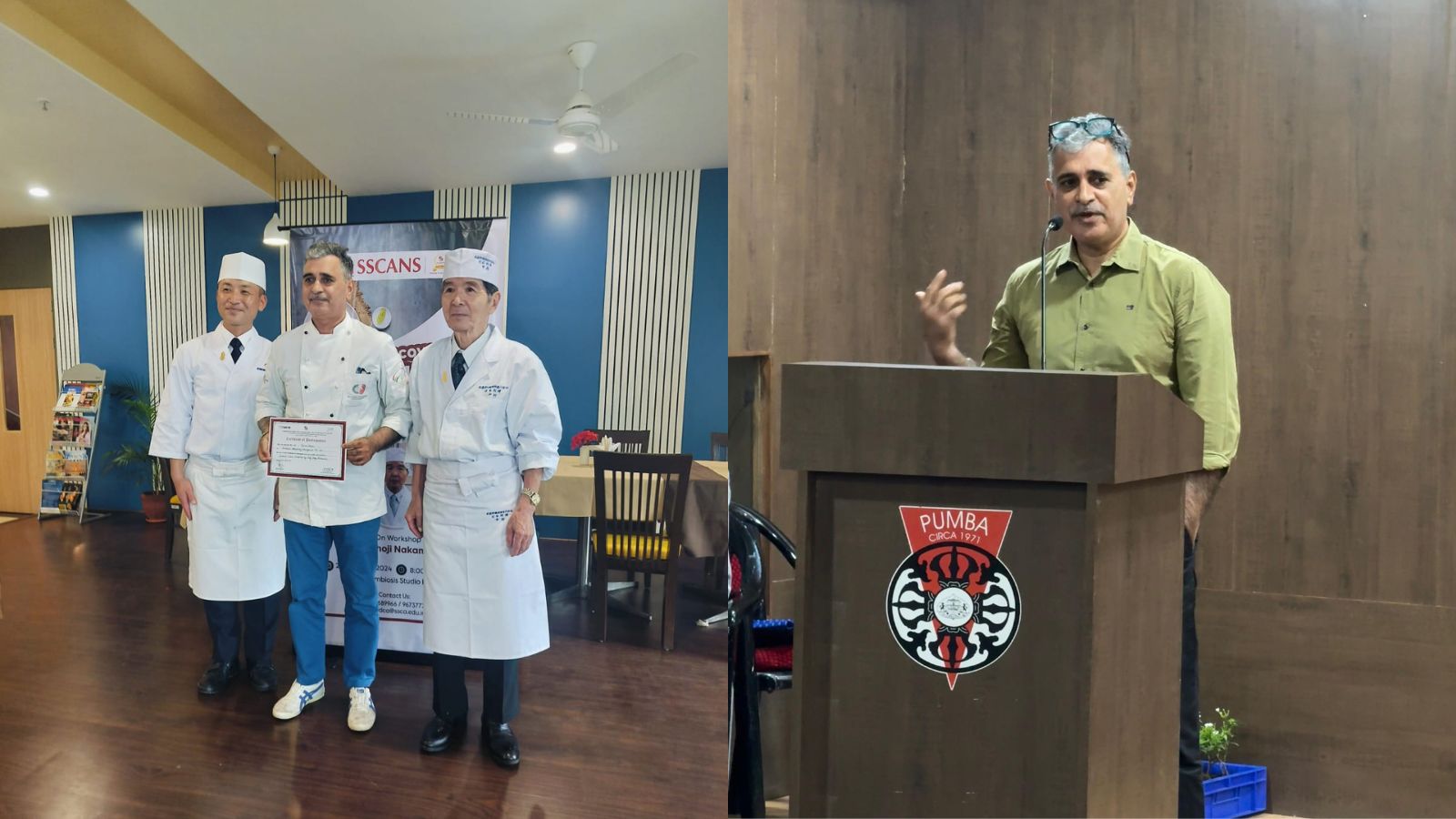
When Ravish Arora, Pune’s pioneering culinary expert who is known for running some of the city’s best restaurants, bakeries and the most in-demand catering service, decided to call it quits this year, it took everyone by surprise. In a free-wheeling interview, he reveals just what made him take the step and discusses his future plans.
You have been part of Pune’s hospitality sector for over three decades. What made you choose hospitality and what is the secret behind your phenomenal success?
Ravish Arora: My entry into hospitality was spontaneous, rather than planned. I had always intended to join our family timber business in Dehradun and Ramnagar, drawn to its connection with nature and wildlife, despite the intense hard work. When timber was nationalised in 1981, I enrolled at the Institute of Hotel Management (IHM), Mumbai, in 1982 for a diploma. During the course, I chose to become a chef and pursued the post-diploma programme. My training at IHM, the Oberoi School, and early years at The Oberoi, Mumbai, shaped my foundation. I consider the (time at) Oberoi School the most defining phase of my career. In 1993, a chance opportunity as executive chef brought me to Blue Diamond Hotel, Pune, then the city’s most sought-after five-star property. Serving Pune’s elite added daily pressure, but allowed me to showcase skills honed over seven years and transform the city’s culinary scene. The Kirloskar-owned hotel supported my continuous learning. When Taj Hotels acquired Blue Diamond in 1999, I stayed for six months as Food and Beverages (F&B) Manager before my entrepreneurial instincts took over after 13 years of employment. I partnered with ex-colleague Rajendra Kelshikar to launch Innvenue Hospitality Management Pvt Ltd. We acquired the Baker’s Basket brand and leased a 1,000 sq leased bakery in Koregaon Park. This modest start filled a gap for premium gourmet catering in Pune and, backed by Blue Diamond’s goodwill, grew explosively. From a 20-member team in 2000, we built a 500-strong organisation, largely home-grown talent, managing brands like Polka Dots, Incognito, Baker’s Basket, Iron Bar & Grill, Oopsadaisy, and our outdoor catering arm Keylime. Blue Diamond taught me responsibility with freedom – the perfect preparation for entrepreneurship. When money ceases to be the sole objective and building the organisation becomes the focus, fear fades and risk-taking grows. I feel fortunate to have been in the right place, at the right time, with the right team.

What was the primary reason for your decision to exit all your businesses this year?
Ravish Arora: The lack of a clear succession plan was a major factor. Although my son was involved in bar operations, he did not come from a hospitality or hotel-management background, which is critical in this field. Combined with the industry’s increasing operational and financial pressures, my partner and I felt stepping down would be the most practical decision for the organisation’s long-term stability. We sold our brands and companies to White Copper Hospitality Pvt Limited, a Pune-based company in the field of event management and F&B.
How has the transition been after working in operations for three decades?
Ravish Arora: The transition has been smooth. After years of late-night routines and operational responsibilities, I felt it was the right time to step back. Since retiring, I have taken time to travel and pursue personal interests. It was a voluntary decision, which made it easier.
What direction do you see your professional journey taking now?
Ravish Arora: I would like to remain connected to the F&B sector. I am currently working with a few startups, and the team is 20–25 years younger than me, which is what excites me. I learn a lot from them, and I contribute where experience and guidance are needed. They are highly tech-savvy, and that makes it so fun and exciting for me. This is the first time I am not in business for survival but to enjoy it instead.
What advice would you offer young entrepreneurs entering the F&B space today?
Ravish Arora: They should set realistic goals and take the time to understand the fundamentals before attempting to scale. With proper knowledge, due diligence, and consistent hard work, success is possible. Shortcuts do not work in this business.
Leave a Reply