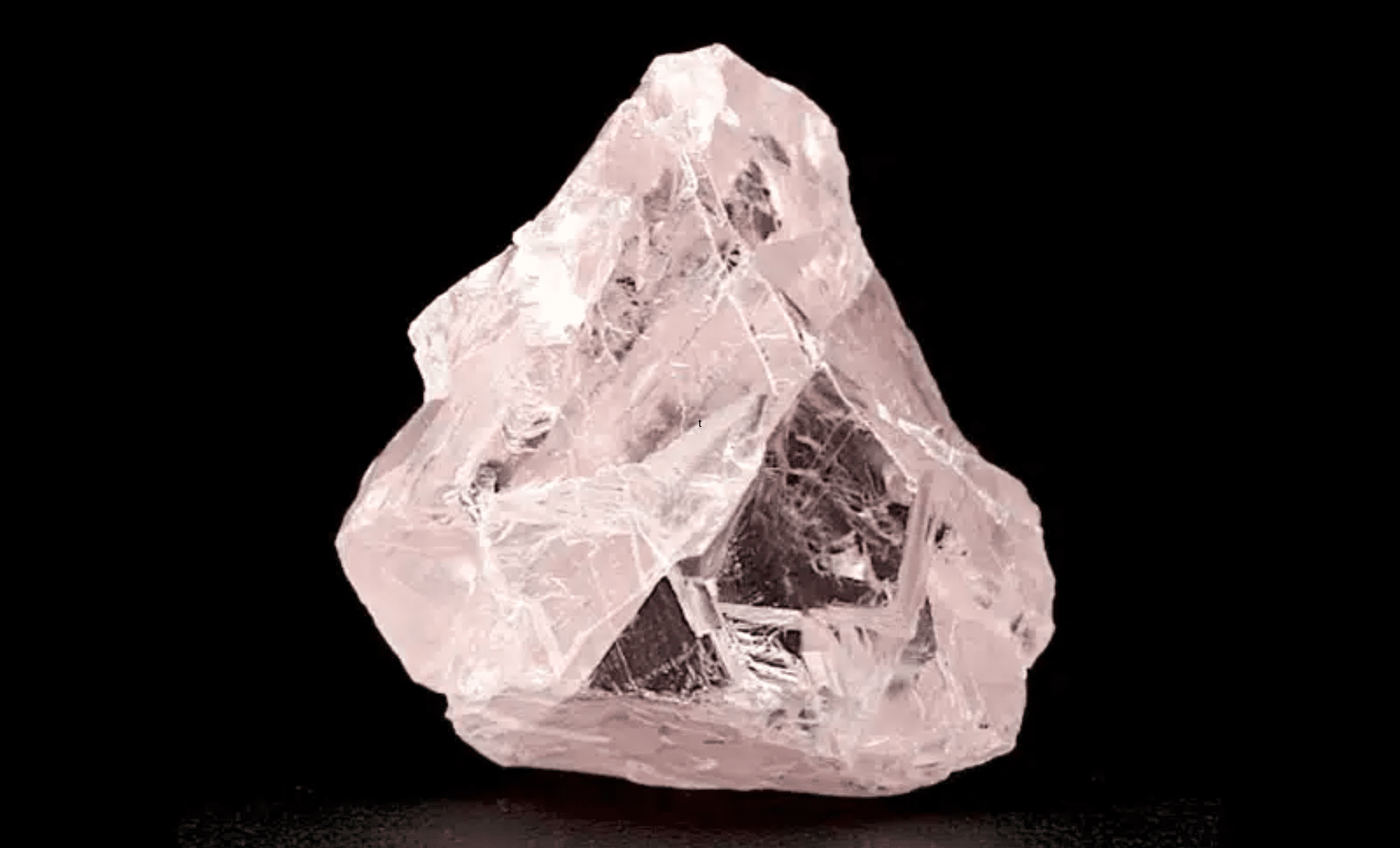
A massive pink diamond weighing 108.39 carats has been uncovered at the Kao mine in Lesotho, one of Southern Africa’s most iconic diamond operations. This discovery, highlighted in a press release by the International Gemological Institute, has sent shockwaves through the gemstone industry due to its rare size, exceptional purity, and vibrant color. The gem’s extraordinary characteristics are expected to set new records in the diamond market.
The Discovery: A Game-Changer for the Pink Diamond Market
The recent discovery of the 108.39-carat pink diamond at the Kao mine in Lesotho marks a historic moment in the world of diamonds. This immense rough stone, which could potentially yield multiple high-value polished diamonds, is among the largest pink diamonds ever found. Experts in the field; at the International Gemological Institute, predict that the diamond’s size and remarkable purity could push its value into the tens of millions of dollars.
Lesotho, known for its rare colored diamonds, has once again proven to be a rich source of precious gems. The Kao mine, in particular, has become famous for producing exceptional pink diamonds, a trend that continues with this recent find. The stone’s intense pink hue and near-perfect internal clarity elevate it to a level that most diamond collectors and investors eagerly covet.
This discovery not only strengthens Lesotho’s reputation as a global diamond producer but also has significant implications for the international diamond market. As buyers scramble to secure such rare stones, this pink diamond could influence both pricing trends and demand for high-end colored diamonds across the world.

The Science Behind Pink Diamonds: More Than Just a Pretty Color
Unlike other diamonds that derive their color from chemical impurities, pink diamonds owe their vibrant hues to distortions in their internal crystal structure. These structural deformations—often resulting from intense heat and pressure deep within the Earth—are unique to each pink diamond and give them their characteristic color bands. These distortions in the crystal lattice are a major factor in why these diamonds are so valuable.
The study by the International Gemological Institute explains that these diamonds are classified as Type IIa diamonds, which are known for their almost perfect purity. Type IIa diamonds are among the rarest and most sought-after on the market, as they contain almost no measurable chemical impurities, making them the purest natural diamonds available.
The Kao mine’s ability to produce such pristine stones is a testament to the geological conditions present at this high-altitude location. Situated over 8,000 feet above sea level, the Kao mine’s unique environment may contribute to the formation of diamonds with distinct characteristics that set them apart from those found in other regions.
The Economic Impact of the Lesotho Diamond Industry
The diamond mining sector is a key economic driver for Lesotho, despite the country’s small size and landlocked status. Lesotho’s diamond exports are known for their high value per carat, particularly due to the quality and rarity of gems like this newly discovered pink diamond. The Kao mine has been at the forefront of this success, with its pink diamonds often fetching top prices at auctions around the world.
This discovery is especially important for Lesotho’s economy. According to government reports, diamond mining is a major contributor to both the country’s GDP and its foreign earnings. The sale of just a single high-value diamond from the Kao mine, like this latest pink gem, can have a significant impact on national revenues, illustrating how valuable these stones are not only to collectors but also to the country’s economic stability.
Furthermore, the influx of wealth from the diamond trade can help foster economic growth in Lesotho. While challenges remain, such as the need for more sustainable mining practices, the Lesotho diamond industry holds the potential for continued prosperity, especially with ongoing discoveries like this one.
The Ethical Debate: Responsible Diamond Mining in Lesotho
While diamond mining has brought considerable wealth to Lesotho, it has not been without its ethical challenges. The diamond industry globally has long been scrutinized for its environmental impact and potential links to human rights abuses. As the market for high-end diamonds grows, there is increasing pressure on the industry to address these concerns, particularly regarding the origins of the stones and the conditions under which they are mined.
Storm Mountain Diamonds, the company responsible for the discovery of the pink diamond, is a member of the Responsible Jewellery Council (RJC), an organization dedicated to promoting ethical practices in the jewelry trade. By adhering to the RJC’s standards, the company aims to ensure that its diamonds are sourced responsibly, minimizing environmental harm and ensuring fair treatment for workers.
The rise of conscious consumerism in the jewelry market means that buyers are increasingly aware of the ethical implications of their purchases. As such, transparency regarding the origins and mining practices associated with stones like the Lesotho pink diamond will be crucial in maintaining market trust.
Leave a Reply