Travel in 2025 has rebounded strongly, with millions of international visitors flocking to iconic destinations across the globe. According to Euromonitor International, the top 10 most visited cities this year reflect a mix of cultural heritage, modern attractions, religious significance, and natural beauty. From bustling Asian metropolises to historic European capitals, these cities showcase the diversity of global tourism. Bangkok leads the list with over 30 million arrivals, while Hong Kong, London, and Macao follow closely. Religious centers like Mecca and modern hubs like Dubai also feature prominently, alongside leisure destinations such as Antalya and Kuala Lumpur. Paris, the perennial favorite, continues to charm travelers with its timeless appeal. Together, these cities highlight how international tourism thrives on a blend of tradition, innovation, and accessibility. Here’s a closer look at what makes each of these destinations so popular among global travellers in 2025.

Bangkok, Thailand – 30.3 million arrivals: Bangkok tops the list thanks to its vibrant street life, ornate temples, and world-famous cuisine. Visitors are drawn to landmarks like the Grand Palace and Wat Arun, while bustling markets and nightlife add to its appeal. Affordable travel and Thailand’s reputation as a welcoming destination make Bangkok a perennial favorite. (Image: Canva)

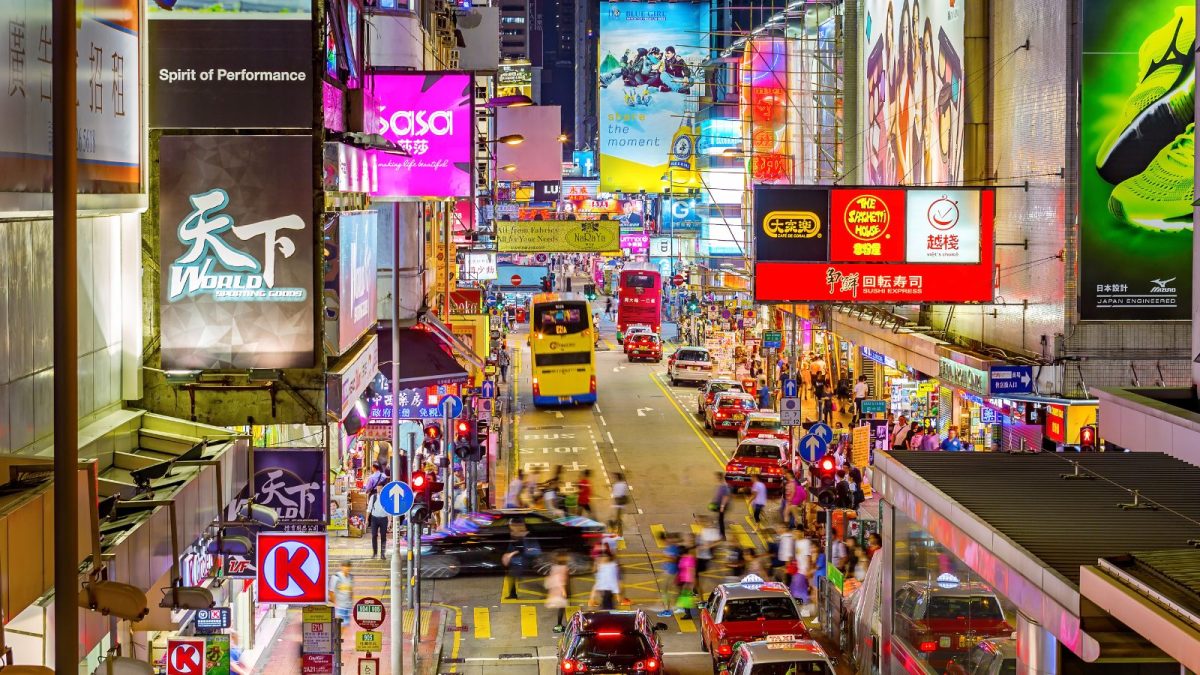
Hong Kong – 23.2 million arrivals: Hong Kong remains a magnet for travellers with its dramatic skyline, Victoria Harbour, and fusion of Eastern and Western cultures. Shopping districts, world-class dining, and attractions like Disneyland Hong Kong ensure its popularity. Its role as a global financial hub also brings in business travelers. (Image: Canva)

London, United Kingdom – 22.7 million arrivals: London’s blend of history and modernity continues to captivate. Iconic landmarks such as Buckingham Palace, the Tower of London, and the British Museum attract millions. The city’s theatre scene, diverse neighborhoods, and global connectivity make it a must-visit destination. (Image: Canva)

Macao, China – 20.4 million arrivals: Known as the “Las Vegas of Asia,” Macao draws visitors with its casinos, luxury resorts, and Portuguese heritage. The UNESCO-listed historic center, alongside modern entertainment, makes it a unique blend of culture and leisure. (Image: Canva)

Istanbul, Turkey – 19.7 million arrivals: Istanbul bridges Europe and Asia, offering rich history and vibrant culture. Tourists flock to Hagia Sophia, the Blue Mosque, and the Grand Bazaar. Its strategic location and culinary traditions enhance its appeal as a global crossroads. (Image: Canva)
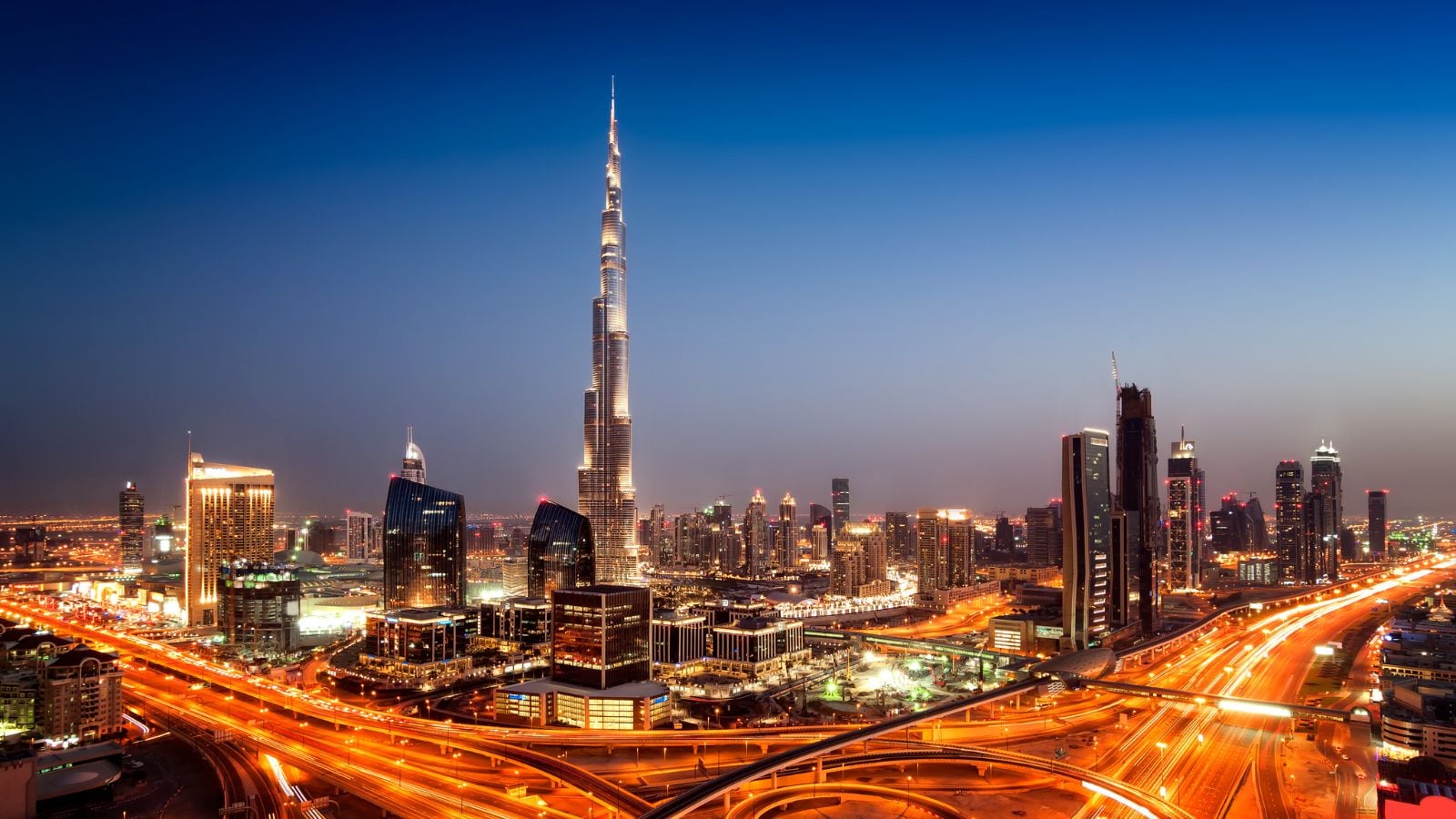
Dubai, United Arab Emirates – 19.5 million arrivals: Dubai’s futuristic skyline, luxury shopping, and attractions like the Burj Khalifa and Palm Jumeirah make it a global hotspot. Known for its hospitality and innovation, Dubai also hosts major events, drawing both leisure and business travelers. (Image: Canva)

Mecca, Saudi Arabia – 18.7 million arrivals: Mecca is the holiest city in Islam, attracting millions of pilgrims annually for Hajj and Umrah. Its religious significance ensures a steady flow of international visitors, making it one of the most visited cities worldwide. (Image: Canva)

Antalya, Turkey – 18.6 million arrivals: Antalya is a Mediterranean gem, popular for its beaches, resorts, and ancient ruins. The city combines natural beauty with historical sites like Hadrian’s Gate, making it a favorite for leisure travelers seeking sun and culture. (Image: Canva)

Paris, France – 18.3 million arrivals: Paris remains timeless, with attractions like the Eiffel Tower, Louvre Museum, and Notre-Dame Cathedral. Its romantic ambiance, fashion scene, and culinary excellence ensure its enduring popularity among international tourists. (Image: Canva)

Kuala Lumpur, Malaysia – 17.3 million arrivals: Kuala Lumpur rounds out the list with its iconic Petronas Twin Towers, diverse food culture, and vibrant shopping districts. The city’s mix of modern architecture and cultural heritage makes it a dynamic destination in Southeast Asia. (Image: Canva)
Leave a Reply